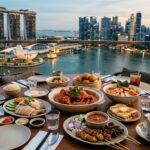
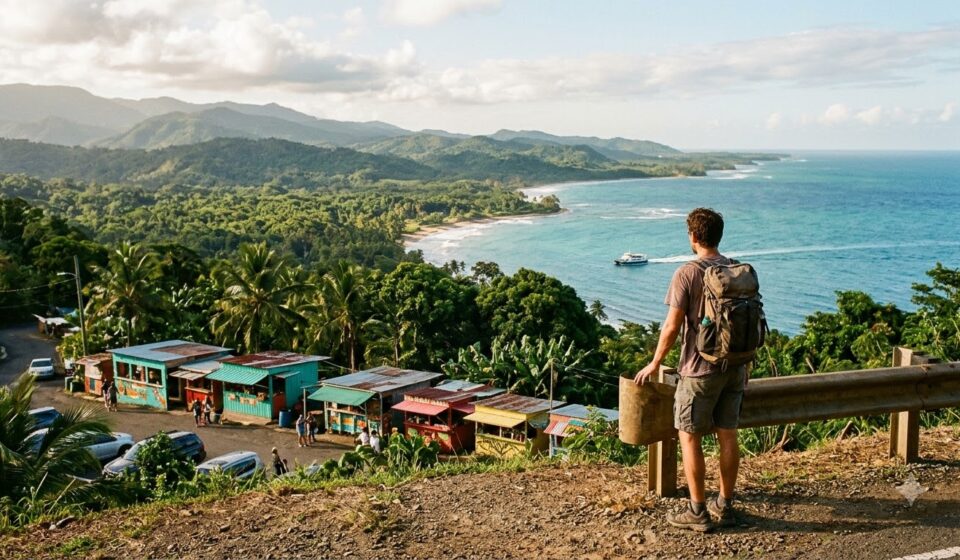

Introduction: A Small Island with a Big Appetite for Adventure
Puerto Rico is roughly 160 kilometres long and 56 kilometres wide, but it packs in a rainforest, a dry tropical forest, limestone caves, mountain coffee country, surf towns, a 500-year-old walled city, and offshore islands with some of the Caribbean’s best beaches. Its location is another advantage. As a U.S. territory, it has no passport or currency headaches for American travellers, yet the culture is unmistakably Caribbean, Spanish-speaking, and proudly its own. The Taíno, Spanish, African and American influences all show up in the language, the music, the architecture and, above all, the food.
For backpackers, the island is a good fit. Distances are short, hostels and guesthouses are growing in number, and the cheapest meals are often the most memorable ones. This guide follows a loose loop: from San Juan’s cobbled streets into the El Yunque rainforest, across the water to the islands of Vieques and Culebra, down to Ponce and the southwest, and back through the mountains. Along the way it covers what to eat and how to get around on a budget.
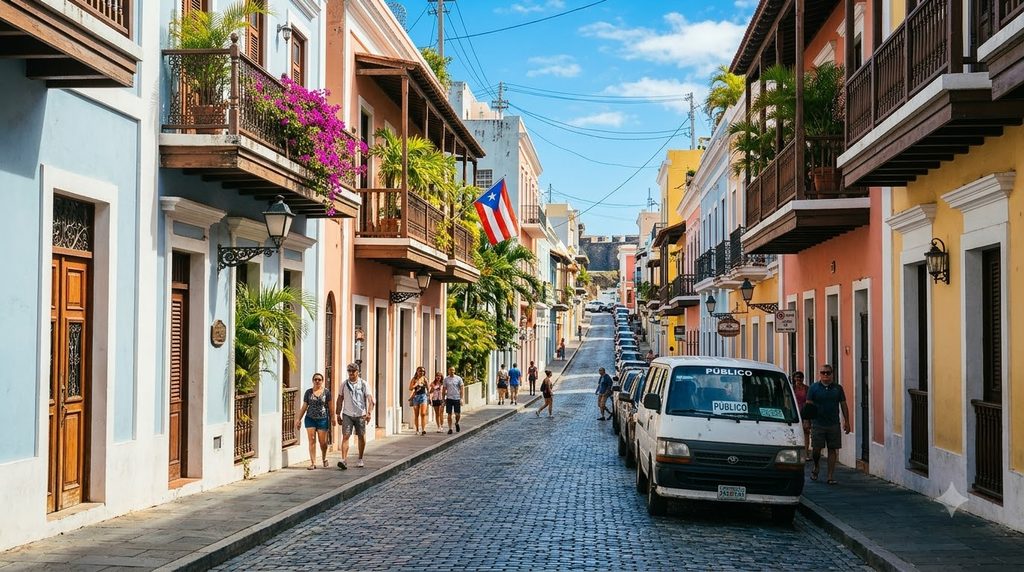
Getting Your Bearings
When to go
Puerto Rico is warm all year, with temperatures typically in the high 20s to low 30s °C at sea level. The real choice is about weather and crowds:
- December to April is the dry, busy season. It has the best weather, the highest prices, and whale-watching season in the northwest from roughly January to March.
- May to early June is a quieter shoulder period with warm seas and lower prices.
- June to November is hurricane season, with the peak usually from August to October. Since you are reading this in late October, note that the risk is still real. Travel insurance is wise, itineraries should be flexible, and you should follow forecasts closely. The upside is cheaper rooms and emptier trails.
Getting around without going broke
Public transport is the island’s weak point, and it shapes how you plan.
- San Juan is manageable without a car. The Tren Urbano rail line, city buses (guaguas) and ride-hailing apps cover the main areas, and Old San Juan is walkable.
- Públicos are shared vans and cars that run set routes between towns. They are cheap and a good way to meet locals, but schedules are loose and they mostly serve the main corridors. Ask at the terminals.
- Renting a car is what most travellers end up doing for the rainforest, mountains and southwest. Backpackers can split a rental across a group to make it affordable. Book early, because rental cars can run short in high season. Mountain roads are narrow and winding, so allow more time than the map suggests, and watch for potholes.
- Ferries and small planes connect the east coast to the offshore islands (more below).
Money, language and practicalities
The currency is the U.S. dollar. Spanish is the first language of most people, though English is widely understood in tourist areas. A few Spanish phrases go a long way, and locals appreciate the effort. Cash is useful at kiosks, small bakeries and roadside stands, so carry small bills. Pack reef-safe sunscreen, a light rain jacket, quick-dry clothes, insect repellent, and shoes that can handle mud and wet rock.
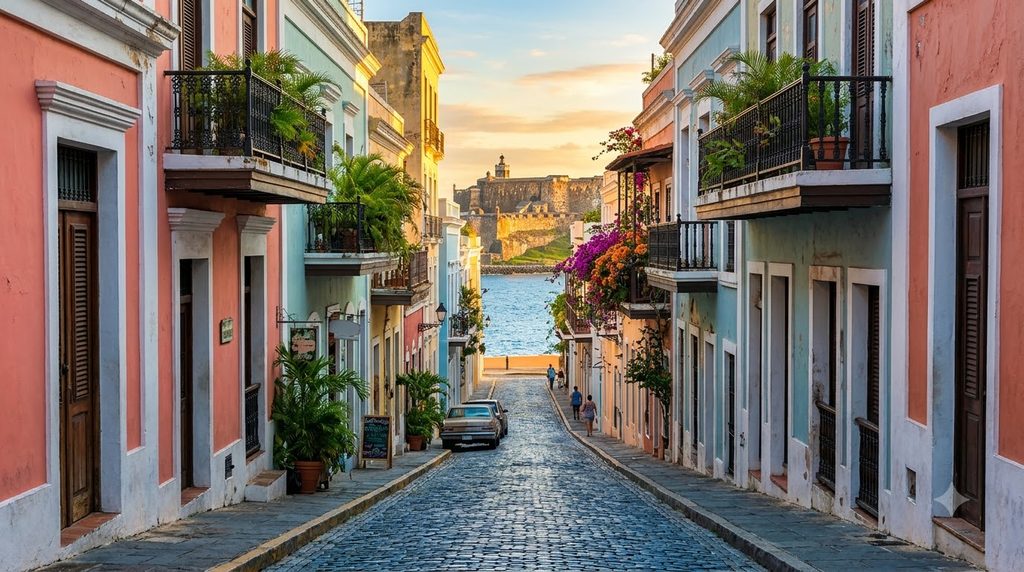
San Juan, Where the Trip Begins
Old San Juan
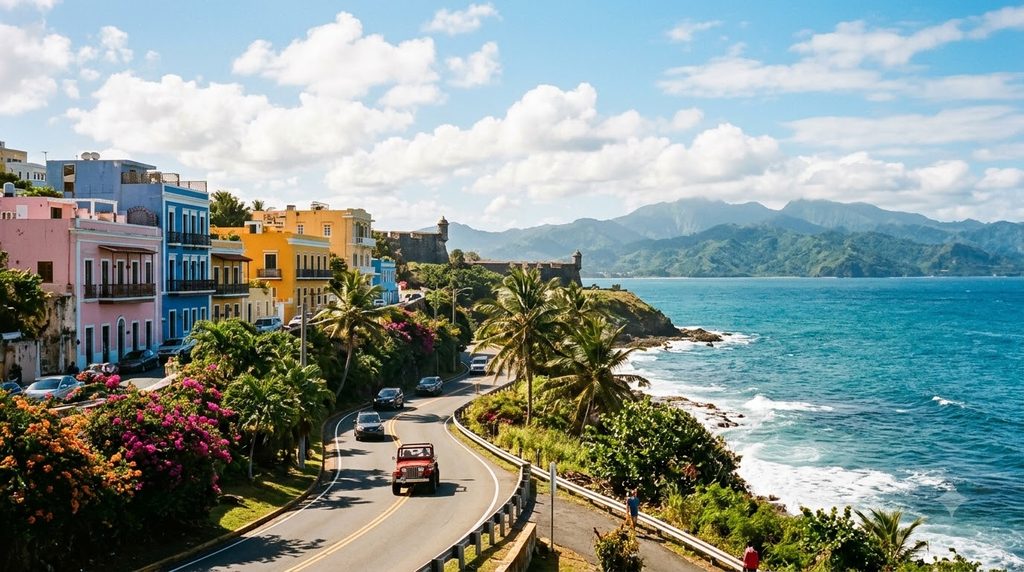
The old city is a compact grid of blue-grey cobblestones, pastel colonial buildings, plazas and ocean views. Its fortifications, including Castillo San Felipe del Morro and Castillo San Cristóbal, are part of the San Juan National Historic Site and are inscribed on the UNESCO World Heritage list. Wandering the city walls at sunset, with the Atlantic on one side and the bay on the other, is one of the best free things to do on the island.
Other highlights:
- Calle del Cristo and Calle Fortaleza for colonial streets and small shops.
- La Fortaleza, the governor’s mansion, one of the oldest executive residences in continuous use in the Western Hemisphere.
- Plaza de Armas and Plaza de Colón for people-watching.
- Cementerio de San Juan, a striking seaside cemetery just outside the walls.
- La Perla, the colourful neighbourhood on the northern shoreline. It has a complicated reputation, so most travellers visit with a local guide or go during the day with care.
Beyond the walls
Condado and Ocean Park have beaches, surf shops and plenty of budget accommodation. Santurce is the creative neighbourhood, known for street art, galleries, live music and a lively dining scene, and it is where a lot of younger locals eat and drink. Hostels and guesthouses cluster in Old San Juan, Condado and Ocean Park, and they make good bases for the first and last nights.
San Juan street food and the first tastes
Start slowly, because the food here is rich and the portions are generous:
- Mofongo: plantains fried, then mashed with garlic and pork cracklings in a wooden mortar (pilón), usually stuffed with chicken, shrimp or beef and served with broth.
- Tostones: twice-fried green plantain discs, served salted with garlic sauce or mayo-ketchup.
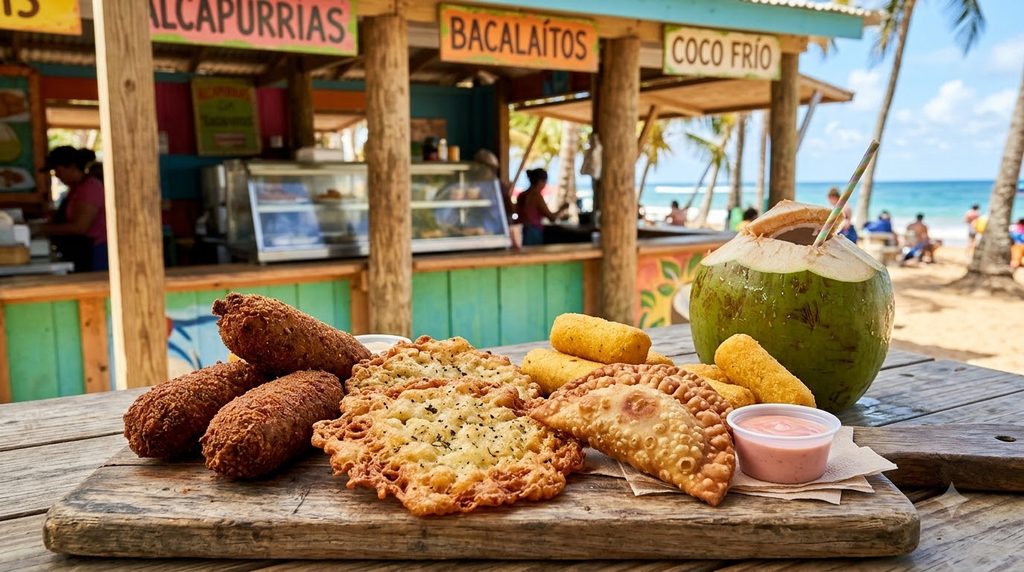
- Alcapurrias and bacalaítos: fried fritters, the first made from green banana and yautía dough filled with meat, the second a crisp salt cod batter. Both are classic kiosk snacks.
- Pinchos: grilled skewers, often chicken or pork, sold from roadside stands for a few dollars.
- Piraguas: shaved ice doused in fruit syrup from a pushcart, the best response to afternoon heat.
- Mallorca: a sweet, spiral bun dusted with powdered sugar, often pressed and toasted and filled with ham and cheese for breakfast.
The piña colada is a point of local pride, and two Old San Juan institutions have long argued over who invented it. You can take your pick, or try both.
El Yunque and the East, Into the Rainforest
El Yunque National Forest
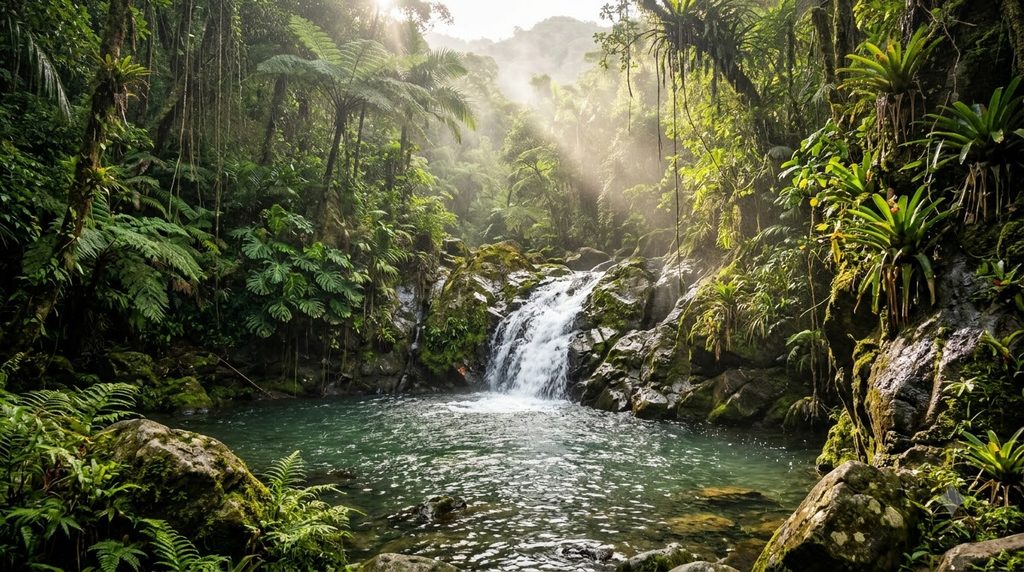
About 40 kilometres east of San Juan, El Yunque is the only tropical rainforest in the U.S. National Forest System. It is lush, steep and wet, with waterfalls, sudden showers, giant ferns, and the chorus of the tiny coquí tree frog at dusk. Many travellers consider it the single best day trip on the island.
Practical tips:
- Check access and reservations before you go. Popular areas, especially around La Mina Falls, have required timed entry or reservations in recent years, and conditions have changed after storms. Confirm current rules on the official National Forest Service and recreation.gov pages.
- Go early. Mornings are clearer and less crowded, and afternoon rain is common.
- Trails: La Mina Trail leads to a waterfall with a swimming hole, a manageable walk for most fitness levels. Longer routes, like the climb toward El Yunque Peak, reward you with views when the clouds cooperate. The Yokahú Tower offers a panoramic lookout.
- Prepare for mud. Wear shoes with good grip, and bring a rain layer and water.
- Stay on marked trails and never swim in rivers after heavy rain, when flash floods can arrive without warning.
Luquillo kiosks and the northeast coast
On the way back toward the coast, stop at the Luquillo kiosks, a long row of open-air food stalls near the beach. You can eat fritters, seafood, empanadillas, grilled meats and cold beer, with live music on many weekends. Luquillo Beach is calm and family-friendly. Further west, the Piñones coastal strip near San Juan offers a similar kiosk culture, with the added fun of cycling along a coastal path between the mangroves and the sea.
Fajardo, gateway to the islands
Fajardo is the main departure point for the ferries to Vieques and Culebra, and its coast has some of the island’s best-known bioluminescent water at Laguna Grande. Night kayak tours show glowing trails behind every paddle stroke, an unforgettable first encounter with the phenomenon.
Island Ferries, Vieques and Culebra
How the ferry works
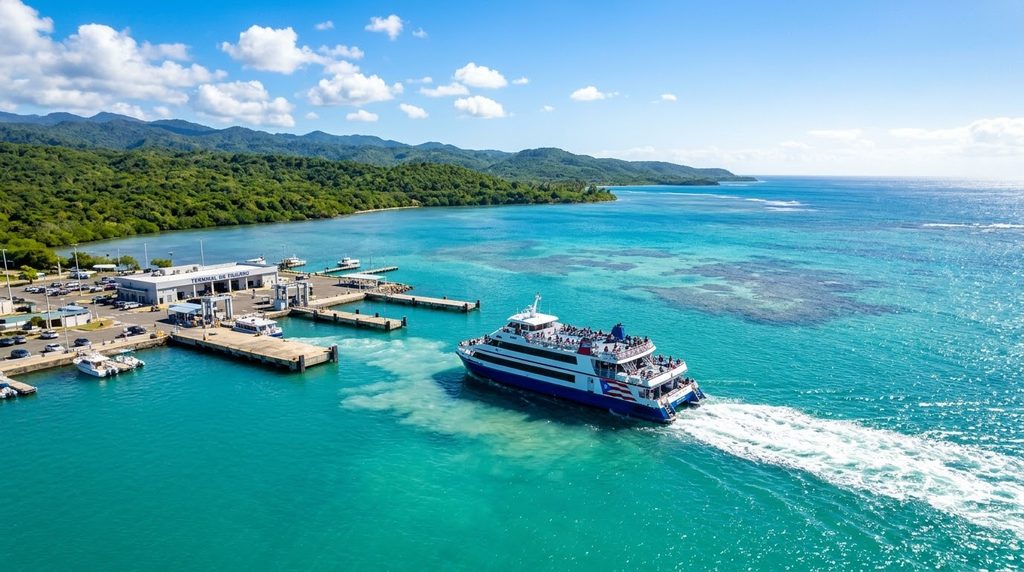
The passenger ferries leave from the Fajardo terminal and are run by the government’s maritime transport authority. Fares are famously low, typically just a few dollars each way. In exchange you get a service that is popular and often stretched. Keep these points in mind:
- Buy tickets as early as possible, and arrive well before departure, since the boats fill up, especially on weekends and holidays.
- Expect delays and cancellations. Schedules have been affected by vessel availability, weather and staffing. Build a buffer day into your plan, and do not book a tight international flight the day after an island stay.
- Check the latest timetable and booking process with the authority before you travel, as procedures have changed over the years.
- Small planes are a backup. Short flights from San Juan and Fajardo are more expensive but dependable when the ferry is not, and they are a worthwhile splurge if your timing is fixed.
Vieques: wild horses and glowing water
Vieques is a quieter, more rural island where horses roam freely, and much of the land is a national wildlife refuge, a legacy of decades of U.S. Navy use. The result is beaches that are largely undeveloped.
- Mosquito Bay (Bahía Mosquito) is among the brightest bioluminescent bays in the world. Tours run mostly by electric boat or kayak, and the glow is strongest on dark nights, so check the moon phase when you plan. To protect the bay, swimming is restricted, so do not wear sunscreen or insect repellent on a visit.
- Beaches: Sun Bay (Sun Bay Beach) is the main public beach with facilities, and the refuge beaches such as Playa La Chiva (Blue Beach) and Playa Caracas (Red Beach) are known for their clear water and relative solitude. Access can depend on the road and refuge rules, so ask locally.
- Esperanza and Isabel Segunda are the two main towns. Esperanza is the backpacker hub, with a laid-back waterfront, guesthouses and casual restaurants.
- Getting around: The island is not made for walking between sights. Locals rent golf carts, jeeps and bikes, or share públicos, and it pays to book in advance in high season.
Culebra: the smaller sister with the famous beach
Culebra is smaller and slower. Its main town, Dewey, is a handful of streets by a canal, and the pace is unhurried.
- Playa Flamenco is a crescent of white sand and clear shallow water, regularly listed among the best beaches in the world. The remains of an old military tank are a quirky landmark at one end.
- Playa Tamarindo is a quiet snorkelling spot, with sea turtles often seen in the seagrass.
- Cayo Luis Peña and other cays can be reached by local water taxi or kayak, and offer more snorkelling.
- Camping and lodging: Camping at Flamenco has been an option in the past, but permits, facilities and openings have changed after storms, so verify before you rely on it. Small guesthouses are the alternative.
- Respect the wildlife: nesting sea turtles and seabirds use the beaches, so keep distance and follow posted rules.
The South and Southwest, History, Salt Flats and Surf
Ponce
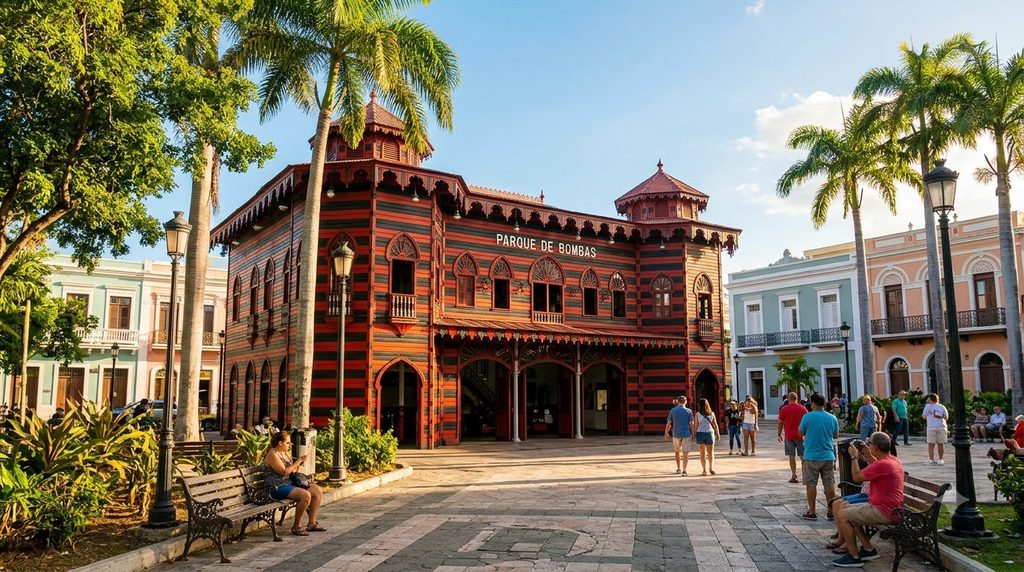
Ponce, the island’s second city, is known for its elegant central plaza, the red-and-black striped Parque de Bombas firehouse, and the Museo de Arte de Ponce, one of the Caribbean’s best art collections. Nearby is the Castillo Serrallés, a Spanish revival mansion with views over the city. Ponce is a good base for food, with local bakeries and restaurants serving more traditional dishes than the tourist areas of the north. The nearby Tibes Indigenous Ceremonial Center preserves a pre-Columbian Taíno site, a reminder of the island’s earlier history.
Guánica and the dry forest
The Guánica Dry Forest Reserve is a UNESCO biosphere reserve and a striking contrast to El Yunque: scrubby, sun-baked and full of cacti, with a rich bird population and trails down to quiet beaches. Go early in the day and bring a lot of water. The nearby Gilligan’s Island cay, reached by a short boat or kayak trip from Guánica, is popular for snorkelling.
Cabo Rojo and La Parguera
At the island’s southwestern corner, Cabo Rojo offers salt flats where flamingos are sometimes spotted, white cliffs near the lighthouse, and beaches like Playa Sucia and Playuela. La Parguera, in Lajas, is another bioluminescent bay, with a village atmosphere and seafood restaurants over the water. Compared with the bays in Vieques and Fajardo, its glow can be less dramatic, but the town makes a pleasant overnight stop.
Rincón and the west coast
Rincón is the island’s surf town, with a long-standing community of surfers, expats and travellers. Winter brings big swells and humpback whales offshore. In the calmer months, the beaches are good for swimming and snorkelling. It has plenty of hostels and budget rooms, and the sunset scene along the coast is a nightly ritual.
The Mountains, Coffee and Roast Pork
The Cordillera Central
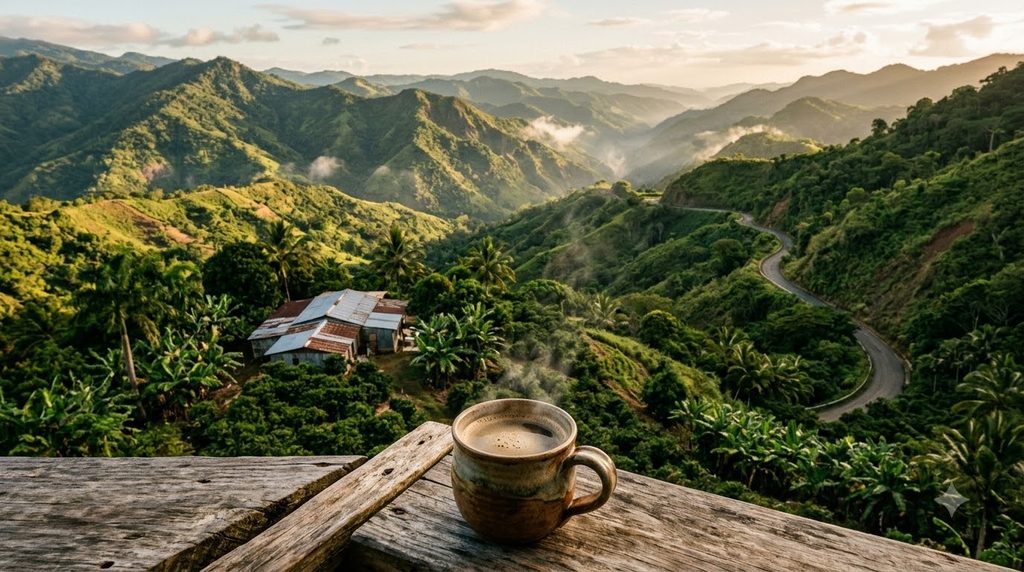
The island’s interior is a patchwork of steep green hills, small farms and winding roads. The Ruta Panorámica is a long scenic route across the mountains, best done slowly, with stops at lookouts and roadside eateries. Cerro de Punta is the island’s highest point, and the area around Maricao, Jayuya, Adjuntas and Orocovis is known for coffee farms, rural guesthouses and cooler air.
- Coffee: Puerto Rico grows high-quality coffee, and many farms around Yauco, Maricao and Jayuya offer visits and tastings. Drinking a freshly roasted cup in the hills where it was grown is a trip highlight.
- Adventure: Orocovis is known for zip-lines and canyoning experiences, a splurge for thrill-seekers.
Guavate and the lechón tradition
On weekends, families drive to the Guavate area near Cayey, where roadside restaurants, known as lechoneras, serve spit-roasted pork (lechón) with crackling skin, along with rice and pigeon peas, morcilla and plantain dishes. Often there is live music and dancing. It is a classic Puerto Rican day out, and it is best on a Saturday or Sunday.
Caves and karst country
The north-central region has limestone karst, sinkholes and caves. The Río Camuy Cave Park has been one of the island’s top natural attractions, but access has been affected by storm and earthquake damage and closures in recent years, so check its current status. The former Arecibo Observatory site, whose iconic telescope collapsed in 2020, now operates as an education and science centre, a fitting stop for anyone interested in the island’s scientific history.
A Deeper Look at Puerto Rican Food
The road-trip menu is worth a section of its own.
The everyday plate: arroz con gandules (rice with pigeon peas), habichuelas (stewed beans), pernil (roast pork shoulder), pollo guisado (stewed chicken) and tostones. A simple lunch special at a family-run spot often costs just a few dollars and is hearty enough to fuel a day of hiking.
Street and kiosk snacks: empanadillas (turnovers), pastelillos, bacalaítos, alcapurrias, sorullitos (fried corn sticks with cheese), quesitos (sweet cream cheese pastries) and tripleta, a loaded sandwich of several meats.
Holiday and seasonal foods: pasteles (a tamale-like parcel of grated plantain and meat wrapped in banana leaf), coquito (a coconut-rum holiday drink), and tembleque (a coconut pudding). Many of these appear at the island’s long Christmas season, which stretches into January.
Drinks: Medalla is the local light beer, and Puerto Rican rum is a point of pride, with distillery tours near San Juan. Fresh coconut water from a roadside vendor, hacked open with a machete, is a simple and cheap pleasure. Pitorro, a homemade cane spirit, appears at holidays and is best taken in small amounts.
Eating on a backpacker’s budget:
- Look for lunch specials (comida criolla) at small local restaurants.
- Fill up at kiosks and food trucks, where a plate may be much cheaper than a sit-down restaurant.
- Buy fruit, bread and coffee at bakeries and panaderías for breakfast.
- Keep a bottle of hot sauce, as many places will serve pique, a vinegary chilli condiment, on the side.
Sample Itineraries
A 10-day loop
| Days | Base | Highlights |
|---|---|---|
| 1–2 | San Juan | Old San Juan forts, street food, Santurce nightlife |
| 3 | El Yunque and Luquillo | Early rainforest hike, afternoon kiosk lunch |
| 4–6 | Vieques (or Culebra) | Beaches, bioluminescent bay, slow island days |
| 7–8 | Ponce and Guánica | Art, plaza life, dry forest, snorkelling |
| 9 | Rincón or Cabo Rojo | Beach, sunset, salt flats |
| 10 | Mountains and return | Coffee farm, Guavate lechón, back to San Juan |
A shorter 5-day version
Spend two days in San Juan, one in El Yunque and Fajardo, and two on a single island, either Vieques or Culebra. Ferry delays make it wise to keep your last day open.
Add-ons if you have more time
Add a surf week in Rincón, a hiking and coffee-farm stay in the central mountains, or a few nights of camping and kayaking along the southern coast.
Travelling Well
Safety and common sense
Puerto Rico is welcoming and most visits are trouble-free, but ordinary precautions apply. Do not leave valuables in a parked car, especially at trailheads and beaches. Be careful in unfamiliar urban areas at night. Respect the sea: rip currents are real, and some beaches have no lifeguards. Check weather and surf conditions each day.
Respecting the island
Puerto Rico has been through hurricanes, earthquakes, economic strain and rebuilding, and locals are understandably tired of being treated as a backdrop. Some ways to travel well:
- Spend locally. Eat at family-run places, hire local guides, and stay in locally owned guesthouses.
- Learn some Spanish. Even a simple buenos días opens doors.
- Protect the environment. Take rubbish away with you, stay on trails, and follow rules at turtle nesting beaches and bioluminescent bays.
- Be patient. Power cuts, ferry delays and slow service can happen, and meeting them with good humour is part of the experience.
A quick packing checklist
- Lightweight, quick-dry clothing and a rain jacket
- Sturdy sandals and shoes with good grip
- Reef-safe sunscreen, insect repellent and a hat
- A dry bag for ferries and beaches
- Snorkel gear if you have it (rentals are available)
- A reusable water bottle and a small first-aid kit
- Cash in small bills and a copy of your key documents
Island Time, Well Spent
Backpacking Puerto Rico rewards the traveller who slows down. A few hours in a rainforest, a plate of fried fritters at a roadside kiosk, a ferry ride over bright water, and a night kayaking in a glowing bay all say as much about the island as any museum. Some days will go off schedule because of a delayed boat, a sudden storm, or a detour for roast pork, and those are often the days you remember most.
Come with a flexible plan, a decent appetite and some curiosity, and you will find that this small island is bigger than it looks.
A note on accuracy: Details such as ferry schedules and fares, El Yunque reservation rules, park and cave openings, camping permits and storm-related closures change often, so confirm the latest information with the official sources shortly before you travel.
If you’d like, I can turn this into a shareable doc, trim it to a blog-length version, build a detailed day-by-day itinerary with a budget breakdown, or adapt the tone for a magazine or social media.