
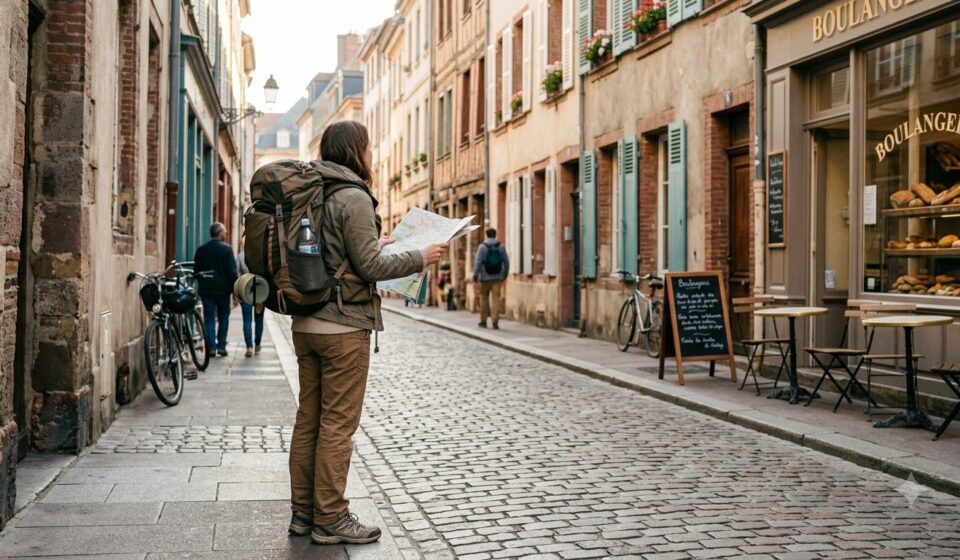

The idea of backpacking across Europe is a classic rite of passage. Cobblestone streets in Prague, sunset views over the Acropolis, fresh croissants in Paris, and world-class art in Florence—it all sounds magical. Then reality sets in: flight costs, rail passes, hostels, food, and suddenly that romantic dream starts looking like a masterclass in financial anxiety.
The good news? Traveling Europe on a tight budget isn’t a pipe dream reserved for eccentric trust-fund kids or seasoned travel hackers. Millions of people pull it off every year by swapping luxury for flexibility, and convenience for resourcefulness.
If you want to see the Old World without wiping out your savings, here is the ultimate playbook for backpacking Europe on a shoestring.
1. Master the Art of Timing and Destinations
Where you go—and when you go—dictates 80% of your budget. If you visit the Amalfi Coast in August, you are voluntarily walking into a financial trap.
- Chase the Shoulder Season: Aim for May–June or September–October. The weather is still warm, the crowds are manageable, and accommodation and flight prices drop significantly compared to peak summer (July and August).
- Flip the Map: Western Europe (France, Switzerland, the UK, Scandinavia) will drain your wallet in days. Central and Eastern Europe (Hungary, Poland, Czechia, Romania) offer incredible culture, stunning architecture, and world-class food at a fraction of the cost. A beer in Prague might cost $2; that same beer in Oslo could cost $10. Balance your itinerary with a mix of pricey bucket-list cities and budget-friendly heavy-hitters.
2. Rethink Where You Sleep
Accommodation is usually the single largest daily expense. Hotels are out; alternative lodging is in.
- Hostels Aren’t Just for 18-Year-Olds: Modern hostels are clean, safe, and social. Booking a dorm bed (ranging from 4 to 12 beds) slashes your nightly costs. Many offer free breakfast, community kitchens, and organized walking tours. Look for places with high ratings on cleanliness and location rather than just the absolute lowest price.
- Work for Your Keep: Platforms like Worldpackers or Workaway allow you to exchange a few hours of help a day (hostel reception, gardening, social media) for free room and board. It’s a stellar way to stretch your money and stay in one place longer.
- Overnight Transit: Take overnight trains or long-distance buses (like FlixBus) for longer stretches. You save the cost of a night’s accommodation and wake up in a brand-new city ready to explore.
3. Eat Like a Local (and Stop Eating Out Three Times a Day)
Dining out at sit-down tourist-trap restaurants near major monuments is a fast track to an empty wallet.
- The Grocery Store Strategy: Make breakfast and lunch DIY affairs. European grocery stores and local markets (like Mercat de la Boqueria in Barcelona or local Super Us in France) are goldmines of cheap, high-quality bread, cheese, cured meats, fresh fruit, and wine. A luxury picnic in a public park often beats a mediocre restaurant bill.
- Embrace Street Food and Bakeries: Bakeries (boulangeries, panaderias) offer cheap, filling pastries and sandwiches. Street food—like falafel in Paris, currywurst in Berlin, or gyros in Athens—is delicious, fast, and budget-friendly.
- Lunch Over Dinner: If you want to try high-end local cuisine, do it at lunchtime. Many European restaurants offer a Menu del Día (Daily Menu) or fixed-price lunch specials that feature the same quality food as the dinner menu for a fraction of the cost.
4. Move Smart: Trains vs. Buses vs. Budget Airlines
Transportation logistics can make or break a tight budget.
- Buses are King of Cheap: Companies like FlixBus connect almost every major European city. They take longer than trains, but tickets can cost as low as €5 to €15 if booked in advance.
- Rail Passes vs. Point-to-Point Tickets: Eurail passes are iconic, but they aren’t always the cheapest option, especially if you travel slowly or book well in advance. Compare the price of a rail pass against individual point-to-point tickets bought a month or two ahead. Keep in mind that high-speed trains often require mandatory seat reservation fees on top of a rail pass.
- Mind the Budget Airline Traps: Airlines like Ryanair and EasyJet offer flights for the price of a couple of coffees, but they make their money on fees. If you don’t read the fine print regarding bag sizes, weight limits, and online check-in, a €20 flight can easily balloon into a €100 expense. Pack light enough to fit everything into a “personal item” backpack.
5. Hunt Down Free and Low-Cost Culture
You don’t need a massive entertainment budget to experience Europe’s history and beauty.
- Free Walking Tours: Virtually every major European city has tip-based free walking tours. They are a brilliant way to get your bearings on day one, learn the history, and get local recommendations. (Just remember to tip your guide a few euros at the end.)
- Museum Hacks: Many world-class museums offer free or heavily discounted admission on specific days of the month (e.g., the first Sunday of the month) or for visitors under 26.
- Nature is Free: Some of the best experiences in Europe cost nothing: hiking the hills of Edinburgh, swimming in the Adriatic Sea, watching the sunset from Park Güell’s free areas, or wandering through centuries-old architecture.
The Bottom Line
Backpacking Europe on a shoestring isn’t about deprivation; it’s about prioritization. By spending less on Ubers, fancy dinners, and unnecessary flights, you free up the resources to stay on the road longer, meet more people, and collect experiences instead of receipts. Pack light, stay flexible, and embrace the adventure.