


















































Jeju Island feels completely different from the rest of South Korea. While Seoul moves at lightning speed with neon lights, skyscrapers, and nonstop energy, Jeju offers something slower, greener, and deeply connected to nature. Volcanic landscapes, black lava cliffs, waterfalls, emerald tea fields, dramatic coastlines, and peaceful villages have transformed this island into one of Asia’s hottest travel destinations.
Located off the southern coast of South Korea, Jeju Island has become famous for its natural beauty, unique culture, outdoor adventures, and relaxing atmosphere. It attracts honeymooners, hikers, surfers, food lovers, digital creators, and travelers searching for a more peaceful side of Korea.
Over the last few years, Jeju has exploded in popularity internationally thanks to Korean dramas, social media travel videos, and growing interest in Korean culture worldwide. Yet despite the rising tourism, the island still manages to feel authentic and connected to nature.
For many visitors, Jeju becomes the highlight of their entire Korea trip.
Why Jeju Island Feels So Different
Jeju is not just another tropical island destination. Its volcanic origins shape almost everything about the landscape.
The island was formed by volcanic eruptions thousands of years ago, creating lava tubes, crater lakes, black-rock coastlines, and South Korea’s tallest mountain, Hallasan. The scenery constantly changes from beaches to forests to cliffs within short driving distances.
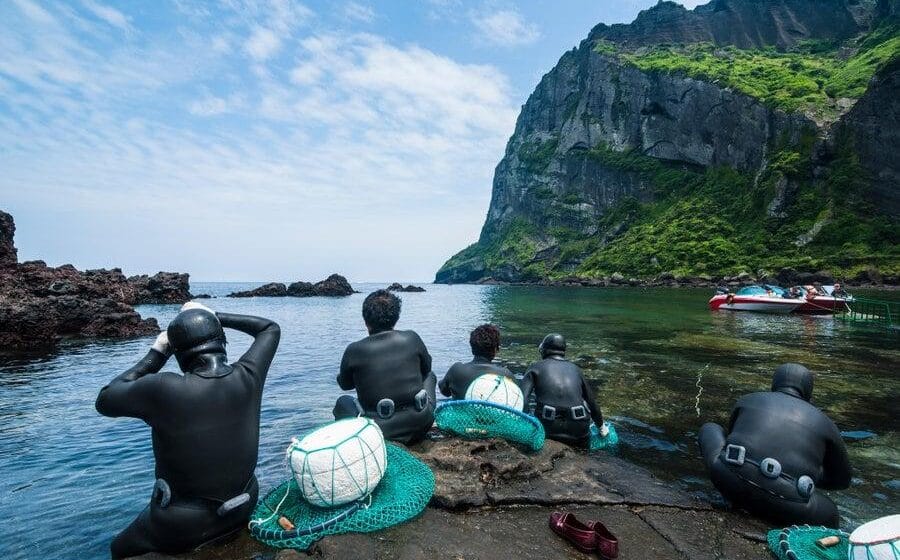
Jeju also has its own traditions, dialect, architecture, and cuisine that differ from mainland Korea. Stone walls built from volcanic rock surround villages and farms, while the island’s famous haenyeo female divers continue centuries-old free-diving traditions.
Unlike crowded urban Korea, Jeju feels open, calm, and deeply scenic.

6
Commercial-use image source
Hallasan: The Volcano at the Center of the Island
At the heart of Jeju rises Hallasan, a massive shield volcano and the tallest mountain in South Korea.
Hallasan dominates the island’s skyline and is one of Jeju’s biggest attractions. The mountain sits inside Hallasan National Park, which contains forests, hiking trails, volcanic landscapes, and unique wildlife.
The summit hike is one of Korea’s most rewarding outdoor experiences. Travelers who reach the top are greeted with panoramic views and a crater lake surrounded by volcanic cliffs.
Different trails offer varying levels of difficulty, making the mountain accessible for both experienced hikers and casual travelers.
During spring, wildflowers bloom across the mountain slopes. In autumn, colorful foliage transforms the landscape. Winter brings snow-covered volcanic scenery that feels completely magical.

7
Commercial-use image source
The Beaches of Jeju
Jeju’s beaches are one of the biggest reasons travelers keep returning.
Unlike many crowded Asian beach destinations, Jeju’s coastline feels clean, relaxed, and naturally beautiful. White sand beaches sit beside black volcanic rocks and crystal-clear water.
Hamdeok Beach
Hamdeok Beach is one of Jeju’s most famous coastal spots. Shallow turquoise water and soft white sand create a tropical atmosphere perfect for swimming and relaxing.
Nearby cafés and oceanfront restaurants make the area especially popular with younger travelers and photographers.
Hyeopjae Beach
Located on Jeju’s western coast, Hyeopjae Beach offers stunning views of Biyangdo Island offshore. The water here is remarkably clear, and sunsets are spectacular.
Woljeongri Beach
Woljeongri has become famous on social media thanks to its coastal cafés, scenic roads, and peaceful atmosphere. The beach is especially popular for cycling and sunset photography.

5
Commercial-use image source
Seongsan Ilchulbong: Jeju’s Famous Sunrise Peak
One of Jeju’s most iconic natural landmarks is Seongsan Ilchulbong, also known as Sunrise Peak.
This volcanic crater rose from the sea thousands of years ago and now stands dramatically above the coastline. Visitors climb a relatively short trail to the summit for incredible views over the ocean and surrounding countryside.
Sunrise is the most famous time to visit. Watching the first light appear over the Pacific Ocean from the crater rim is considered one of Jeju’s classic experiences.
The surrounding coastal area also offers beautiful walking paths, seafood restaurants, and cultural performances by Jeju’s traditional divers.

4
Commercial-use image source
Jeju’s Lava Tubes and Volcanic Landscapes
Jeju’s volcanic history created some of the world’s most impressive lava tube cave systems.
The Manjanggul Lava Tube is among the island’s most fascinating geological attractions. Stretching for kilometers underground, the cave features enormous tunnels formed by flowing lava thousands of years ago.
Inside, visitors can see lava stalactites, rock formations, and massive chambers illuminated by soft lighting.
The island’s volcanic rock also shapes everyday life. Stone walls, black-rock coastlines, and lava formations appear everywhere across Jeju.
These volcanic landscapes are one reason Jeju became recognized as a UNESCO World Natural Heritage Site.

4
Commercial-use image source
The Unique Culture of Jeju
Jeju has a strong cultural identity separate from mainland Korea.
For centuries, the island’s isolation helped preserve local customs and traditions. One of the most famous cultural symbols is the haenyeo — women who free-dive into the ocean to collect seafood without oxygen tanks.
Many haenyeo continue diving well into old age, and their tradition has been recognized by UNESCO as Intangible Cultural Heritage.
Stone grandfather statues called dol hareubang are another symbol of Jeju. These carved volcanic-rock figures can be found throughout the island.
Jeju also has its own style of traditional homes built to withstand strong ocean winds and volcanic conditions.

6
Commercial-use image source
Jeju’s Incredible Food Scene
Food is one of the island’s biggest highlights.
Because Jeju is surrounded by ocean and fertile volcanic soil, local ingredients are exceptionally fresh.
Black Pork BBQ
Jeju black pork is famous across Korea for its rich flavor and tenderness. Restaurants grill thick cuts of pork over charcoal and serve them with local side dishes.
Fresh Seafood
Seafood dominates much of Jeju cuisine. Abalone, sea urchin, grilled fish, octopus, and shellfish appear on menus throughout the island.
Hallabong Oranges
These sweet citrus fruits have become one of Jeju’s signature products. Hallabong-flavored desserts, juices, and chocolates are popular souvenirs.
Seafood Ramyeon
Many coastal cafés and restaurants serve spicy instant noodles filled with fresh seafood and shellfish.

Commercial-use image source
Jeju’s Café Culture and Scenic Drives
Jeju has developed one of South Korea’s best café scenes.
Oceanfront coffee shops, minimalist bakeries, and stylish dessert cafés appear all around the island. Many travelers spend entire afternoons relaxing by the sea while watching waves crash against volcanic cliffs.
Driving around Jeju is also part of the experience. Coastal roads pass beaches, wind farms, lava fields, fishing villages, and mountain viewpoints.
Popular scenic routes include:
- Aewol coastal road
- Seopjikoji coastline
- Route around Hallasan
- Eastern coastal drives
The island’s slower pace encourages travelers to stop frequently and explore hidden cafés and viewpoints.
Why Jeju Became a Social Media Favorite
Jeju photographs beautifully.
The island combines volcanic landscapes, turquoise water, green tea fields, waterfalls, cafés, flowers, and dramatic coastlines into one visually stunning destination.
Korean dramas and travel influencers helped accelerate Jeju’s popularity internationally. Many travelers now specifically visit locations featured in dramas, music videos, and Instagram posts.
Yet unlike some overhyped destinations, Jeju usually exceeds expectations in real life.
The island feels cinematic almost everywhere.
Commercial-use image source
Best Time to Visit Jeju Island
Spring (March to May)
Cherry blossoms, flowers, and mild temperatures make spring one of the best seasons.
Summer (June to August)
Beach season arrives, though humidity and crowds increase.
Autumn (September to November)
Cool weather and colorful foliage create ideal hiking conditions.
Winter (December to February)
Quieter atmosphere and occasional snow on Hallasan create beautiful scenery.
Spring and autumn are generally considered the best times to visit due to comfortable weather and stunning landscapes.
A Perfect 5-Day Jeju Itinerary
Day 1
- Explore Jeju City
- Visit coastal cafés
- Sunset at Aewol
Day 2
- Hike Hallasan
- Relax at local hot springs
- Black pork BBQ dinner
Day 3
- Visit Seongsan Ilchulbong
- Explore eastern coastline
- Seafood dinner
Day 4
- Tour lava tubes
- Beach hopping
- Café hopping around Woljeongri
Day 5
- Visit waterfalls and tea fields
- Souvenir shopping
- Final ocean sunset
Why Everyone Is Flocking to Jeju Island
Jeju offers something many modern travelers are searching for: nature, beauty, relaxation, and authenticity all in one place.
The island combines volcanic landscapes, beaches, food culture, outdoor adventure, and peaceful scenery in a way few destinations can match.
Whether you are hiking a volcano, watching sunrise above the ocean, eating black pork barbecue, relaxing in a seaside café, or driving along dramatic coastal roads, Jeju constantly feels refreshing and cinematic.
It is not surprising that travelers from around the world are falling in love with Korea’s volcanic paradise.
Once you visit Jeju, it becomes easy to understand why so many people never want to leave.