


















































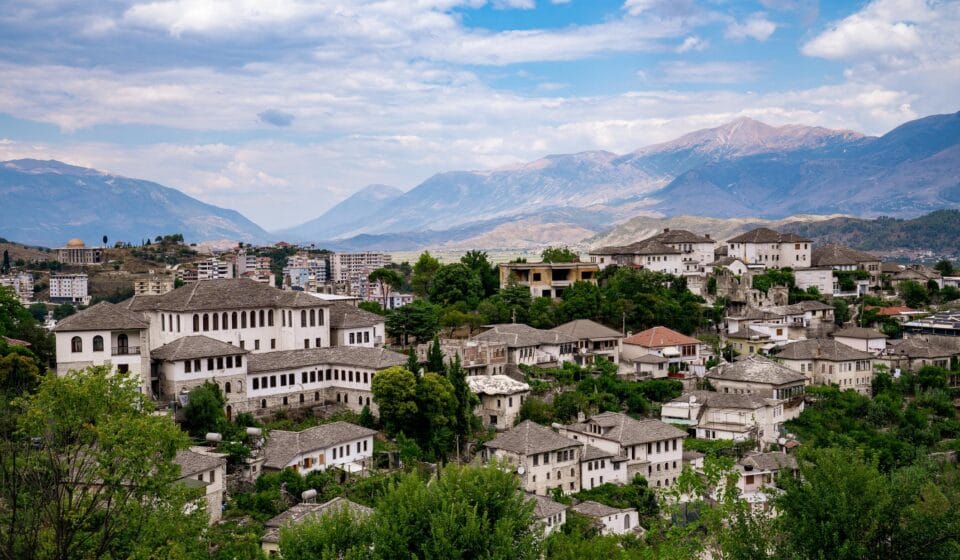

Hidden among the mountains of southern Albania lies one of the Balkans’ most fascinating historic cities. Gjirokastër, often called the “City of Stone,” feels like a place suspended in time. Ottoman-era houses climb steep hillsides beneath an enormous hilltop fortress, cobbled streets wind through centuries-old neighborhoods, and stone rooftops glow silver beneath the Mediterranean sun.
For decades, Albania remained one of Europe’s least-visited countries. Now, travelers searching for authentic destinations are finally discovering Gjirokastër’s incredible history, architecture, and atmosphere. Unlike overcrowded European tourist cities, Gjirokastër still feels raw, local, and deeply connected to its past.
Recognized as a UNESCO World Heritage Site, the city offers far more than beautiful views. It reveals layers of Ottoman culture, Balkan history, Cold War isolation, and Albanian traditions that survived centuries of political change.
For travelers exploring the Balkans, Gjirokastër has quickly become one of the region’s most unforgettable destinations.
Why Gjirokastër Is Called the “City of Stone”
The nickname becomes obvious the moment you arrive.
Nearly every building in the old town is constructed from local gray stone. Massive slate rooftops stack dramatically across the hillside, creating one of the Balkans’ most distinctive urban landscapes.
The architecture dates largely from the Ottoman era, particularly the 17th to 19th centuries, when wealthy merchant families built fortified tower houses designed for both luxury and defense.
Unlike many historic towns modernized over time, Gjirokastër preserved much of its original character. Walking through the old town feels like stepping into another century.
Stone staircases connect narrow alleys, wooden balconies hang above streets, and traditional homes still dominate the skyline beneath the towering castle.

Commercial-use image source
The History Behind the Stone Walls
Gjirokastër’s strategic location made it important for centuries.
The city developed under Byzantine influence before becoming part of the Ottoman Empire in the 15th century. Ottoman rule shaped much of the architecture and culture still visible today.
Powerful local families constructed elaborate homes that combined defensive features with elegant interiors. Thick stone walls protected residents during times of conflict, while upper floors showcased wealth through carved woodwork and decorated ceilings.
The city later became significant during Albania’s communist period under dictator Enver Hoxha, who was born in Gjirokastër. During the Cold War, Albania remained one of Europe’s most isolated countries, and the city preserved much of its historic appearance simply because modernization happened slowly.
Today, Gjirokastër feels like a living museum of multiple historical eras layered together.
Gjirokastër Castle: The Fortress Above the City
Dominating the skyline is Gjirokastër Castle, one of the largest and most impressive fortresses in the Balkans.
The massive stone citadel stretches dramatically across the ridge above the city. From its walls, visitors can see red rooftops, mountain valleys, and the surrounding countryside extending toward Greece.
The castle’s history spans centuries, but much of the current structure expanded during Ottoman rule.
Inside the fortress, visitors discover:
- Military museums
- Underground tunnels
- Old prison cells
- Artillery displays
- Clock towers
- Panoramic viewpoints
One of the castle’s strangest attractions is a captured American Air Force plane displayed inside the fortress grounds. Albanian communist authorities once claimed it had been forced down while spying during the Cold War.
Whether or not the full story is true, it reflects Albania’s fascinating and often mysterious political history.

Commercial-use image source
Wandering the Ottoman Bazaar
The old bazaar is the heart of Gjirokastër’s social life.
Stone-paved streets wind between small cafés, traditional restaurants, artisan shops, and souvenir stalls. Unlike heavily commercialized tourist districts elsewhere in Europe, the bazaar still feels connected to local life.
Many buildings feature classic Ottoman-style architecture with wooden balconies and stone facades. Handmade carpets, silver jewelry, local olive oil, and traditional Albanian crafts are commonly sold here.
The slower pace of life is one of the bazaar’s greatest charms. Travelers often spend hours simply wandering through the streets, drinking coffee, and enjoying the atmosphere.
Albania’s café culture is deeply rooted in daily life, and Gjirokastër is no exception.

Commercial-use image source
The Legendary Ottoman Houses
Some of Gjirokastër’s most fascinating attractions are its preserved Ottoman-era mansions.
These tower houses once belonged to wealthy families and reveal how elite households lived centuries ago.
Zekate House
Zekate House is perhaps the city’s most famous Ottoman mansion. Built in the early 19th century, it combines defensive stone architecture with surprisingly elegant interiors.
Visitors can explore:
- Reception halls
- Wooden ceilings
- Decorative fireplaces
- Hidden rooms
- Panoramic balconies
The house was designed both for entertaining guests and protecting the family during violent periods of Balkan history.
Skenduli House
Skenduli House offers another remarkable glimpse into Ottoman domestic life. The home remained occupied by the same family for generations, preserving much of its original design and furniture.
Guided tours often include stories about family traditions, architecture, and local customs passed down over centuries.

Commercial-use image source
Albania’s Unique Food Culture
Food in Gjirokastër reflects both Albanian and Ottoman influences.
Meals are hearty, flavorful, and often made using local mountain ingredients.
Traditional Dishes to Try
Qifqi
A local specialty unique to Gjirokastër, qifqi consists of rice balls flavored with herbs and fried until crispy.
Tavë Kosi
One of Albania’s national dishes, this baked lamb and yogurt casserole is rich and comforting.
Byrek
Savory pastry filled with cheese, spinach, or meat.
Grilled Meats
Mountain lamb and grilled meats are common throughout southern Albania.
Baklava
Ottoman influence remains strong in desserts, especially syrup-soaked pastries and sweets.
Local restaurants often serve homemade raki, a strong fruit brandy popular across the Balkans.
Commercial-use image source
Exploring the Surrounding Mountains and Nature
Gjirokastër is surrounded by beautiful mountain scenery.
The Drino Valley stretches below the city while rugged peaks rise across the horizon. Travelers interested in hiking, photography, or road trips find plenty to explore beyond the old town.
Nearby attractions include:
- Blue Eye Spring (Syri i Kaltër)
- Mountain villages
- River valleys
- Ancient ruins
- Scenic countryside roads
The Blue Eye Spring is especially famous for its unbelievably clear blue water emerging from deep underground.
Nature around Gjirokastër feels untouched compared to many more developed European destinations.
Commercial-use image source
The Legacy of Communist Albania
Gjirokastër also tells the story of Albania’s communist era.
Enver Hoxha, Albania’s longtime dictator, was born here in 1908. His childhood home now functions as a museum.
During communist rule, Albania became one of the most isolated countries in the world. Foreign travel was heavily restricted, and thousands of military bunkers were constructed across the country due to fears of invasion.
Some remnants of this period remain visible around Gjirokastër today.
The contrast between Ottoman architecture and Cold War history gives the city a fascinating complexity rarely found elsewhere in Europe.
Commercial-use image source
Why Travelers Are Finally Discovering Albania
For years, Albania remained overshadowed by neighboring Greece, Croatia, and Italy.
Now, travelers searching for affordable, authentic destinations are realizing that Albania offers incredible landscapes, rich history, Mediterranean beaches, and welcoming hospitality without the overwhelming crowds of Western Europe.
Gjirokastër especially appeals to travelers who want:
- Historic architecture
- Authentic culture
- Affordable travel
- Local food
- Mountain scenery
- Fewer tourists
The city feels genuine in a way many famous European destinations no longer do.

Commercial-use image source
Best Time to Visit Gjirokastër
Spring (April to June)
Mild weather, green landscapes, and fewer crowds make spring ideal.
Summer (July to August)
Warm temperatures and lively streets, though afternoons can become very hot.
Autumn (September to October)
Comfortable weather and beautiful golden mountain scenery.
Winter (November to February)
Quiet atmosphere with occasional snow on surrounding mountains.
Spring and autumn generally provide the best balance of weather and manageable tourism.
A Perfect 3-Day Gjirokastër Itinerary
Day 1
- Explore the old bazaar
- Visit Gjirokastër Castle
- Traditional Albanian dinner
Day 2
- Tour Zekate House and Skenduli House
- Café hopping in the old town
- Sunset photography from castle viewpoints
Day 3
- Visit Blue Eye Spring
- Explore nearby countryside villages
- Final evening in the bazaar
Why Gjirokastër Is One of Europe’s Most Fascinating Hidden Gems
Gjirokastër offers something increasingly rare in modern travel: authenticity.
The city has not been transformed into an artificial tourist destination. Its stone streets, Ottoman homes, mountain scenery, and layered history still feel deeply connected to real life and local culture.
Whether you are climbing through ancient fortresses, drinking coffee in the old bazaar, exploring Ottoman mansions, or simply watching sunset over the stone rooftops, Gjirokastër creates the feeling of discovering a forgotten corner of Europe.
It is mysterious, beautiful, historical, and wonderfully atmospheric.
And once travelers experience the “City of Stone” for themselves, it becomes clear why Albania is finally stepping onto the global travel stage.