


















































Vietnam is one of Southeast Asia’s most rewarding destinations. It’s a country where ancient temples stand beside modern skyscrapers, where chaotic scooter-filled streets suddenly give way to peaceful rice terraces, and where every meal feels like a discovery. From the lantern-lit charm of Hoi An to the dramatic limestone islands of Ha Long Bay, Vietnam offers incredible diversity packed into one long, narrow country.
A week in Vietnam may not seem like enough time, but with the right itinerary, you can experience bustling cities, stunning natural landscapes, rich history, and world-famous cuisine without feeling rushed. This 7-day route focuses on northern and central Vietnam, balancing iconic attractions with authentic local experiences.
Whether you are traveling solo, as a couple, or with friends, this itinerary is designed to maximize your time while still leaving room for spontaneity and relaxation.
Day 1 — Arrive in Hanoi and Explore the Old Quarter
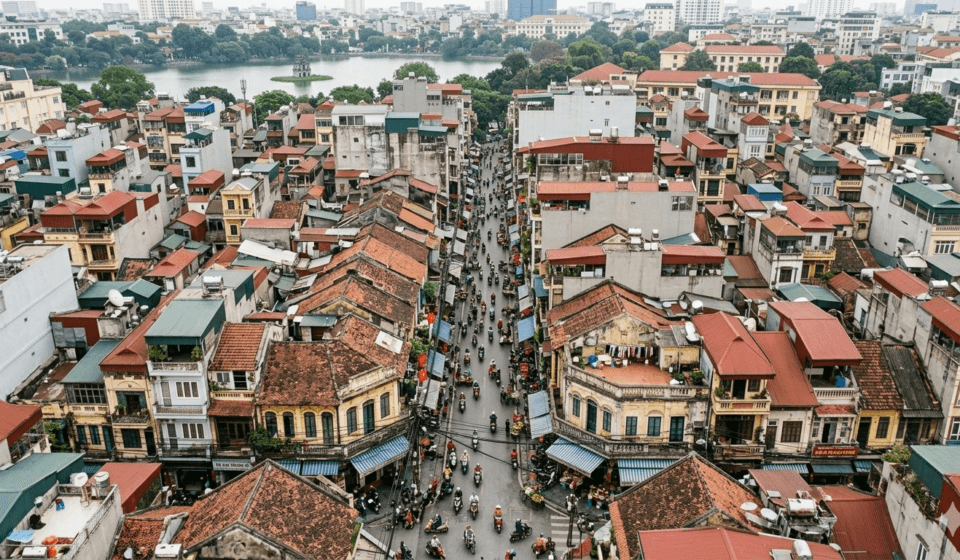
Start your adventure in Hanoi, Vietnam’s atmospheric capital. The city is a fascinating blend of French colonial architecture, ancient temples, buzzing markets, and nonstop motorbike traffic.
After arriving at Noi Bai International Airport, check into a hotel in the Old Quarter. Staying here places you within walking distance of many of Hanoi’s highlights and immerses you immediately in the city’s energy.
Spend your first afternoon wandering through the maze-like streets of the Old Quarter. Each street was historically dedicated to a particular trade, and many still carry those traditions today. You’ll find narrow alleyways packed with coffee shops, street vendors, silk stores, and tiny restaurants serving dishes perfected over generations.
One of the best ways to adjust to Hanoi is simply observing daily life. Locals sit on tiny plastic stools drinking iced coffee, scooters weave through impossible traffic gaps, and food stalls produce incredible meals from kitchens no larger than closets.
Visit Hoan Kiem Lake in the late afternoon. This peaceful lake sits at the heart of the city and becomes lively in the evenings when locals gather for walks, dancing, and exercise.
As night falls, dive into Hanoi’s legendary food scene. Try:
- Pho bo (beef noodle soup)
- Bun cha (grilled pork with noodles)
- Egg coffee
- Fresh spring rolls
The night market near Dong Xuan Market is perfect for your first evening. Lanterns glow overhead while the smell of grilled meat and spices fills the air.
End the day with a rooftop café overlooking Hanoi’s endless stream of scooters and city lights.
Day 2 — Discover Hanoi’s Culture and History
Your second day focuses on Hanoi’s deep cultural and historical heritage.
Start early at Temple of Literature, Vietnam’s first national university dating back to the 11th century. The peaceful courtyards, ancient trees, and traditional Vietnamese architecture provide a calm contrast to the busy streets outside.
Next, visit the area surrounding the Ho Chi Minh Mausoleum. Even if you don’t enter the mausoleum itself, the surrounding gardens and historic government buildings are worth exploring.
For lunch, seek out a local restaurant serving cha ca, Hanoi’s famous turmeric fish dish cooked tableside with herbs and noodles.
In the afternoon, explore Hanoi’s café culture. Vietnam is the world’s second-largest coffee producer, and coffee here is practically an art form. Hidden cafés overlook lakes, train tracks, and crowded intersections.
One of the city’s most unusual attractions is Hanoi Train Street, where trains pass dangerously close to homes and cafés. Visit responsibly and follow local regulations, as access rules frequently change.
In the evening, attend a traditional water puppet show, an ancient Vietnamese art form originating in the rice fields of northern Vietnam.
Day 3 — Cruise Through Ha Long Bay
Wake up early for the journey to Ha Long Bay, one of the most spectacular natural wonders in Asia.
This UNESCO World Heritage Site is famous for its emerald waters and thousands of towering limestone islands rising dramatically from the sea.
Most travelers book an overnight or day cruise. If your schedule only allows one day, choose a high-quality cruise with kayaking and cave exploration included.
As your boat glides through the bay, the scenery feels almost surreal. Limestone cliffs emerge through morning mist while floating fishing villages drift quietly between the islands.
Activities often include:
- Kayaking through hidden lagoons
- Visiting limestone caves
- Swimming in secluded areas
- Seafood lunches onboard
- Sunset viewing from the deck
The atmosphere changes throughout the day. Morning fog creates a mysterious mood, while sunset paints the cliffs gold and orange.
Fresh seafood is a highlight here. Many cruises serve giant prawns, squid, steamed fish, and local specialties caught directly from the bay.
Spend the night either onboard or return late to Hanoi depending on your travel style and budget.
Day 4 — Fly to Da Nang and Explore Hoi An
Take a morning flight from Hanoi to Da Nang, then transfer to nearby Hoi An.
Hoi An is widely considered Vietnam’s most charming town. Its beautifully preserved Ancient Town blends Vietnamese, Chinese, and Japanese influences thanks to centuries of international trade.
Unlike Hanoi’s chaos, Hoi An feels relaxed and romantic.
Spend the afternoon wandering the yellow-painted streets lined with lanterns, tailor shops, temples, and riverside cafés.
Visit:
- Japanese Covered Bridge
- Traditional assembly halls
- Riverside markets
- Old merchant houses
Hoi An is also famous for custom tailoring. If you want affordable handmade clothing, many shops can create outfits within 24 hours.
As evening arrives, the town transforms completely. Thousands of colorful lanterns illuminate the streets and reflect beautifully on the Thu Bon River.
Take a small wooden boat ride during lantern hour for one of Vietnam’s most magical travel experiences.
Dinner should include local specialties like:
- Cao lau noodles
- White rose dumplings
- Banh mi
- Fresh seafood
Day 5 — Countryside and Beaches Around Hoi An
Today is about slowing down and exploring the peaceful countryside surrounding Hoi An.
Rent a bicycle in the morning and ride through rice paddies, fishing villages, and coconut groves. This side of Vietnam feels timeless. Farmers work water buffalo fields while children wave from narrow village roads.
Many tours offer experiences such as:
- Basket boat rides
- Fishing demonstrations
- Cooking classes
- Farming activities
The pace here is wonderfully slow compared to Vietnam’s cities.
In the afternoon, relax at An Bang Beach. This beach offers soft sand, seafood restaurants, and a far more laid-back atmosphere than many Southeast Asian resort beaches.
Spend a few hours swimming, reading, or enjoying fresh coconut water under the shade of palm umbrellas.
As sunset approaches, return to Hoi An Ancient Town for one final evening among the lantern-lit streets.
Day 6 — Explore Da Nang and the Marble Mountains
Today you’ll explore Da Nang, a modern coastal city often overshadowed by nearby Hoi An but filled with worthwhile attractions.
Begin with the Marble Mountains, a cluster of limestone hills filled with caves, Buddhist shrines, and panoramic viewpoints.
The mountains are fascinating because they combine natural beauty with spirituality. Hidden cave temples glow with incense smoke and shafts of sunlight pouring through openings in the rock ceiling.
Climb to the viewpoints for spectacular coastal views stretching across Da Nang’s beaches and skyline.
After lunch, spend time along My Khe Beach, one of Vietnam’s most famous beaches.
In the evening, visit the Dragon Bridge. On weekend nights, the bridge breathes fire and water in a dramatic public show that attracts both locals and visitors.
Da Nang also has an excellent seafood scene. Try grilled scallops, garlic prawns, and hotpot restaurants packed with local families.
Day 7 — Final Morning and Departure
Use your final morning to enjoy Vietnam at a slower pace before your flight home.
Wake early for Vietnamese coffee at a quiet café. Reflect on the contrasts you experienced during the trip:
- Hanoi’s nonstop energy
- Ha Long Bay’s dramatic landscapes
- Hoi An’s romantic lanterns
- Da Nang’s coastal scenery
If time allows, visit a local morning market one last time. Vietnamese markets are vibrant sensory experiences filled with tropical fruit, herbs, seafood, flowers, and street food stalls.
Depending on your departure airport, head to Da Nang International Airport for your onward flight.
Essential Vietnam Travel Tips
Best Time to Visit
The ideal months for this itinerary are:
- February to April
- September to November
These periods usually offer comfortable temperatures and lower rainfall.
Currency
Vietnam uses the Vietnamese Dong (VND). Cash is still widely used, especially in markets and small restaurants.
Transportation
- Domestic flights save significant time
- Grab is the easiest ride-hailing app
- Overnight trains are scenic but slower
Food Safety
Street food is generally excellent, but choose busy stalls with high turnover.
Budget Expectations
Vietnam can suit nearly every budget:
- Backpackers: $30–50/day
- Mid-range travelers: $70–150/day
- Luxury travelers: $250+/day
Why This 7-Day Route Works Perfectly
This itinerary balances culture, food, nature, relaxation, and history without trying to cover too much ground. Many first-time visitors attempt to see all of Vietnam in one week and spend most of the trip rushing through airports and train stations.
Focusing on northern and central Vietnam creates a more enjoyable pace while still showcasing the country’s incredible diversity.
In just seven days, you’ll experience:
- Ancient traditions
- Modern city life
- UNESCO landscapes
- Beaches
- Mountain scenery
- Legendary cuisine
- Warm local hospitality
Vietnam has a way of surprising travelers constantly. One moment you’re navigating chaotic streets filled with scooters, and the next you’re watching lanterns drift across a quiet river under the night sky.
That contrast is exactly what makes Vietnam unforgettable.