


















































Kyoto is often described as the cultural heart of Japan. Millions of travelers arrive each year to see the famous red torii gates of Fushimi Inari Taisha, the bamboo groves of Arashiyama Bamboo Grove, and the golden beauty of Kinkaku-ji. But beyond the packed streets and crowded photo spots lies another Kyoto — quieter, slower, and infinitely more magical.
The real soul of Kyoto reveals itself in hidden temples wrapped in moss, sleepy mountain villages, forgotten alleys glowing with lanterns, and riverside cafés where locals spend long afternoons. While most tourists follow the same predictable itinerary, experienced travelers know that Kyoto becomes unforgettable once you wander away from the crowds.
If you want to experience a more authentic side of Japan’s ancient capital, these five secret spots will show you a Kyoto most visitors never see.
1. Ōhara — Kyoto’s Peaceful Mountain Escape
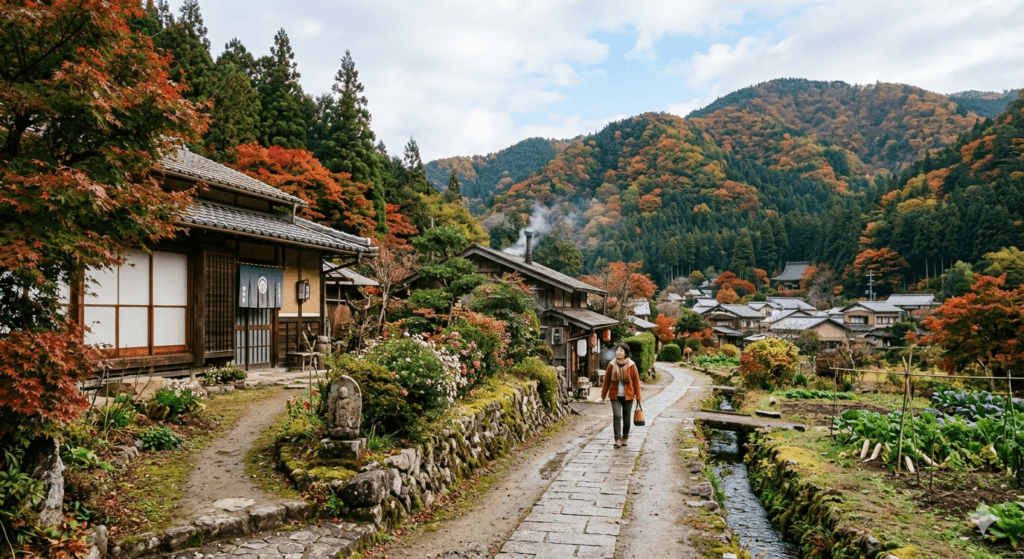
Located about an hour north of central Kyoto, the rural village of Ōhara feels like stepping into a different century. Surrounded by cedar forests, rice fields, and misty mountains, this quiet area is often overlooked by travelers rushing between Kyoto’s famous landmarks. Yet many locals consider Ōhara one of the city’s most beautiful hidden districts.
The star attraction here is Sanzen-in, a serene temple complex famous for its moss-covered gardens and tiny stone statues hidden among the greenery. Unlike Kyoto’s more crowded temples, you can actually hear birds singing and water flowing here. The silence becomes part of the experience.
Walking through Ōhara is incredibly calming. Narrow country roads pass vegetable farms, old wooden houses, and small tea shops where elderly residents greet visitors warmly. In autumn, the maple trees explode into brilliant shades of red and orange, while spring brings cherry blossoms without the overwhelming tourist crowds found downtown.
One of the best experiences in Ōhara is simply slowing down. Stop at a traditional café and enjoy handmade pickles, mountain vegetables, and bowls of hot miso soup made using recipes passed down for generations. Kyoto cuisine is deeply connected to seasonality, and rural districts like Ōhara preserve that tradition beautifully.
The village also has small hidden temples scattered throughout the hillsides. Hosen-in is especially famous for its “framed garden,” where the view from inside the temple resembles a living painting. Sitting quietly on tatami mats while looking out at ancient pine trees is one of Kyoto’s most peaceful experiences.
Most tourists never venture this far north because the area requires a bus ride from central Kyoto. But that small inconvenience is exactly why Ōhara remains magical.
2. Honen-in Temple — The Mossy Sanctuary Few Travelers Find
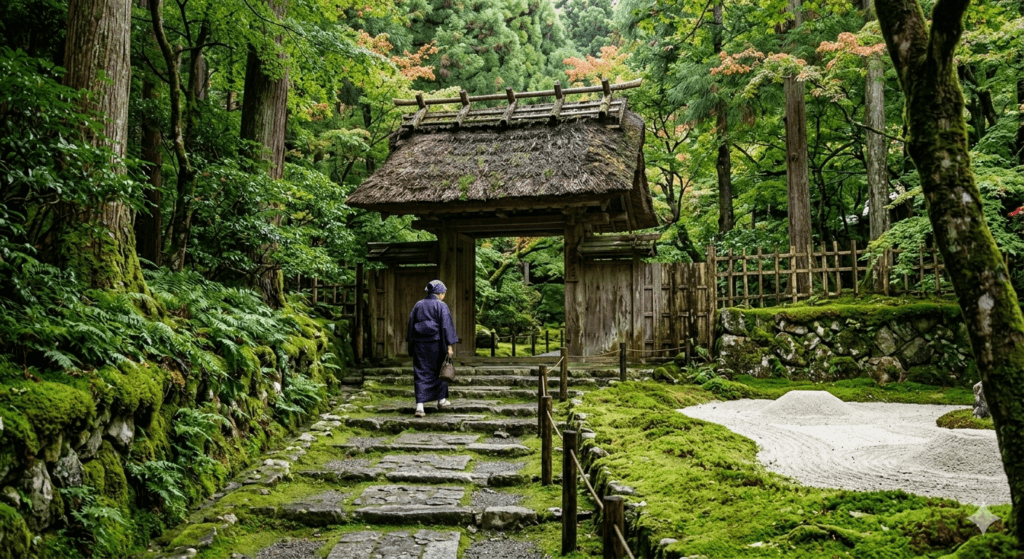
Kyoto has more than 2,000 temples and shrines, but most visitors only see the famous ones. Hidden near the Philosopher’s Path sits one of the city’s most atmospheric temples: Honen-in.
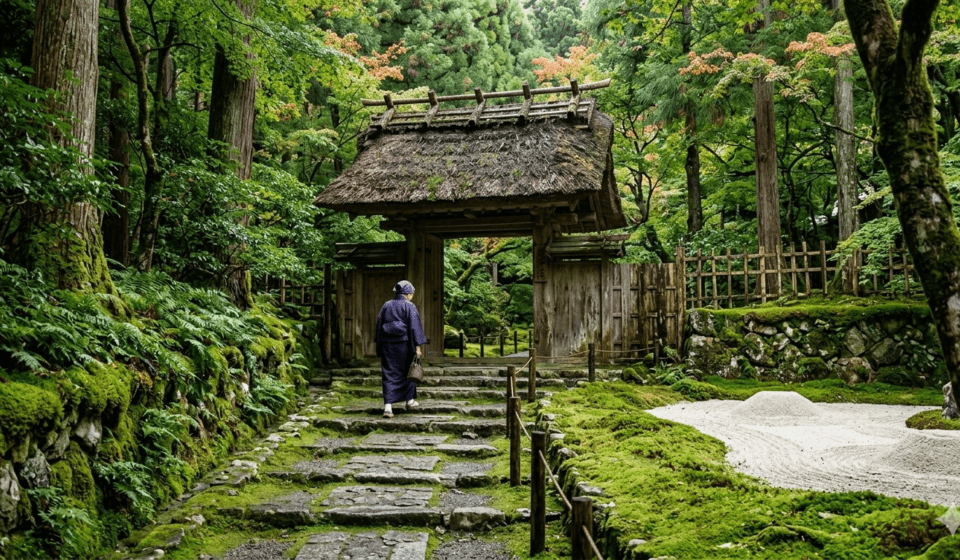
While nearby attractions overflow with tour groups, Honen-in remains surprisingly peaceful. Moss blankets the grounds in thick green layers, stone pathways disappear beneath fallen leaves, and the entrance gate looks like something from an old samurai film.
The temple belongs to the Jōdo sect of Buddhism and was originally connected to a monk who sought spiritual simplicity in the forested hills east of Kyoto. Today, the atmosphere still feels deeply meditative.
One reason Honen-in stays uncrowded is that it lacks the flashy fame of Kyoto’s Instagram-famous locations. There are no giant torii tunnels or golden buildings here. Instead, the beauty is subtle. Rainwater drips from bamboo pipes, incense drifts through the air, and sunlight filters softly through maple trees.
The walk to the temple is equally beautiful. The nearby Philosopher’s Path is famous during cherry blossom season, but most tourists stay concentrated around the southern entrance. As you move farther north, the crowds disappear and Kyoto suddenly feels intimate again.
Inside Honen-in, you’ll often find local artists displaying calligraphy or ceramics. Kyoto has long been a city of craftsmen, and smaller temples frequently support traditional arts in ways larger tourist sites no longer can.
Visit early in the morning for the best experience. The temple becomes almost dreamlike when fog hangs over the moss gardens and the only sounds are rustling leaves and distant temple bells.
3. Kurama and Kibune — Hidden Mountain Villages Connected by Forest Trails
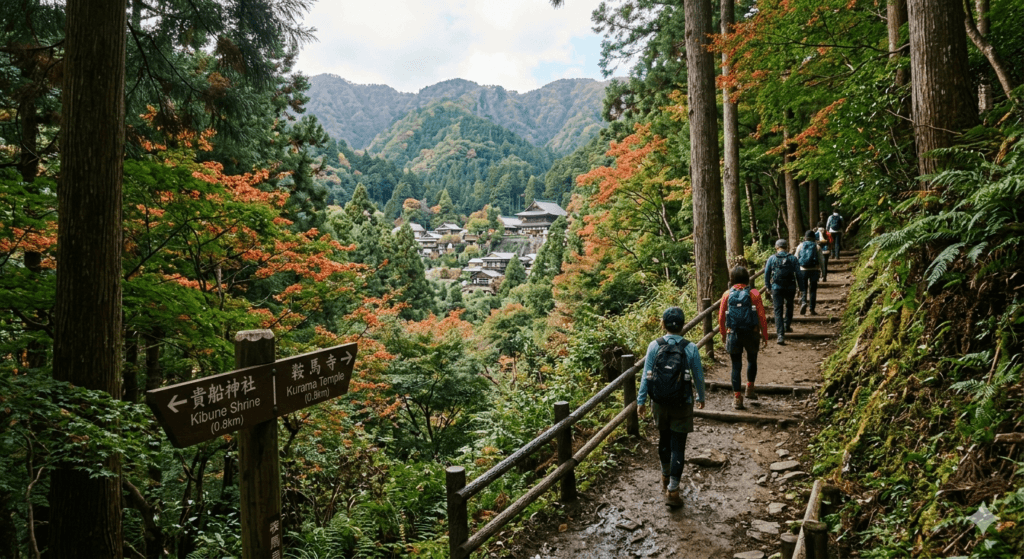
Most travelers never realize that Kyoto is surrounded by mountains. Beyond the city’s historic center lies a completely different landscape filled with forests, rivers, and tiny villages that feel untouched by time.
The mountain villages of Kurama and Kibune are among Kyoto’s greatest hidden treasures.
Reached by a scenic local train ride through wooded valleys, Kurama is famous for its spiritual atmosphere and mountain temple, Kurama-dera. According to Japanese folklore, mystical tengu spirits once lived in these forests, teaching martial arts and wisdom to wandering monks.
The hike between Kurama and Kibune is one of the best walks in all of Japan. The trail winds through cedar forests, ancient stone staircases, and quiet shrines hidden deep in the mountains. Unlike Kyoto’s crowded tourist districts, you may walk for long stretches without seeing another traveler.
At the end of the trail lies Kibune, a tiny riverside village famous for its summer dining platforms built directly over flowing water. Known as “kawadoko,” these elevated platforms allow diners to eat traditional Kyoto cuisine while cool mountain streams flow beneath their feet.
During summer, temperatures in Kyoto can become extremely hot and humid. Kibune offers natural relief thanks to its mountain climate and shaded riverbanks. Locals have escaped here for centuries to cool down.
The village is also home to Kifune Shrine, a beautiful shrine dedicated to the god of water. Lantern-lined staircases leading through the forest create one of Kyoto’s most photogenic yet surprisingly uncrowded scenes.
Autumn transforms the area completely. Fiery red maple leaves cover the mountainsides, creating landscapes that rival Kyoto’s famous fall destinations without the overwhelming crowds.
4. Yamashina — Kyoto’s Forgotten Historic District
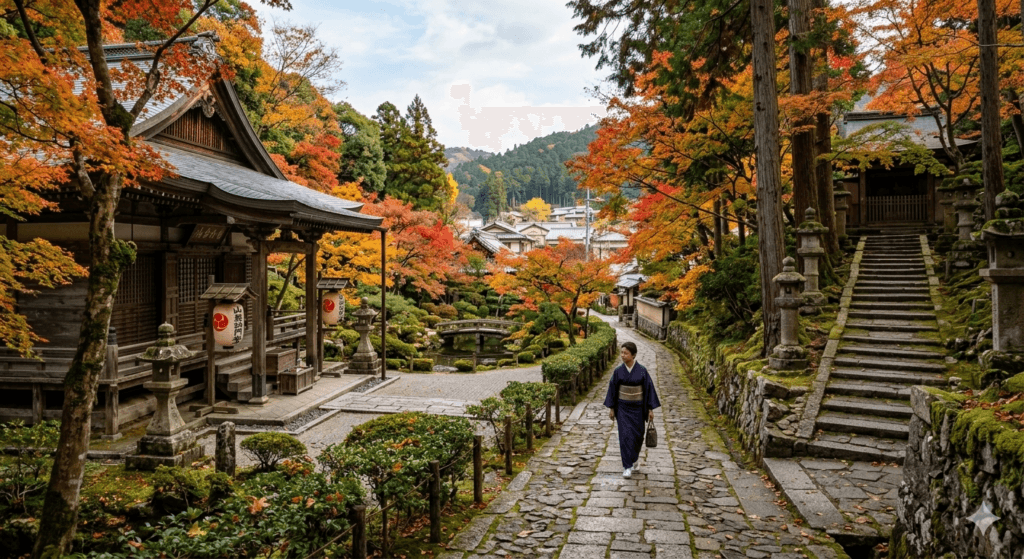
Ask most tourists about Kyoto’s neighborhoods and they’ll mention Gion or Arashiyama. Few have ever heard of Yamashina, even though it sits just minutes from central Kyoto by train.
That anonymity is exactly what makes it special.
Yamashina is a residential district where everyday Kyoto life continues largely untouched by tourism. Quiet streets, family-run noodle shops, hidden shrines, and local markets give visitors a rare glimpse into the city beyond its postcard image.
One of the area’s greatest hidden attractions is Bishamon-do Temple. During autumn, maple leaves create a stunning red tunnel leading to the temple gates. Despite its beauty, the temple receives only a fraction of the visitors seen at Kyoto’s famous foliage spots.
Yamashina also has fascinating historical importance. The district once served as an important gateway connecting Kyoto with eastern Japan. Old roads used by samurai, merchants, and pilgrims still pass through the area.
Walking here feels refreshingly normal. Schoolchildren ride bicycles home, locals shop for groceries, and elderly residents tend small gardens outside traditional homes. Instead of souvenir shops and tourist cafés, you’ll find authentic ramen restaurants and neighborhood bakeries.
For travelers exhausted by Kyoto’s busiest districts, Yamashina offers something rare: breathing room.
Spend an afternoon wandering without a plan. Some of Kyoto’s best experiences happen when you stop chasing landmarks and simply observe daily life.
5. Otagi Nenbutsu-ji — Kyoto’s Strangest Hidden Temple
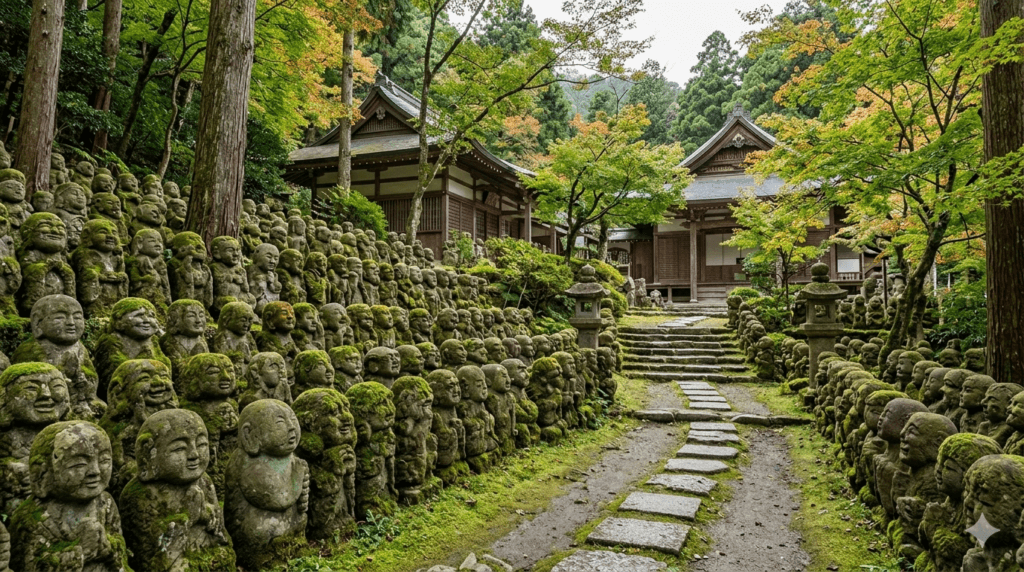
Hidden deep in the hills beyond Arashiyama sits one of Kyoto’s most unusual temples: Otagi Nenbutsu-ji.
While thousands crowd into the nearby bamboo grove every day, very few continue farther uphill to discover this remarkable place.
The temple is famous for its 1,200 stone statues known as rakan, disciples of Buddha carved by amateur worshippers in the 1980s. Each statue has a unique personality and expression. Some smile warmly, others look mischievous, and a few even appear to be telling jokes.
Unlike the formal seriousness found in many temples, Otagi Nenbutsu-ji feels playful and human. One statue holds a camera, another drinks sake, while others laugh openly. Walking among them feels surprisingly emotional because every face seems alive with personality.
The setting adds to the magic. Moss creeps over stone figures, forest sounds echo through the hills, and narrow paths wind between hidden corners of the temple grounds.
Reaching the temple requires effort, which keeps crowds away. Most tourists turn back after visiting Arashiyama’s main attractions, never realizing this hidden world exists just a little farther uphill.
The journey itself is beautiful. The quiet road leading toward the temple passes traditional houses, tiny gardens, and local cafés with almost no tourist traffic.
Visit during rainy weather if possible. The moss becomes intensely green, the mountain mist thickens, and the temple transforms into something almost mythical.
Why Hidden Kyoto Matters
Kyoto is facing increasing overtourism in several major districts, especially around Gion and Kiyomizu-dera. Local officials and travel experts now actively encourage visitors to explore lesser-known neighborhoods and rural areas instead of concentrating in a few overcrowded locations.
But exploring hidden Kyoto isn’t just about avoiding crowds.
It’s about discovering the side of Japan that inspired poets, monks, artists, and travelers for centuries. The quiet gardens, mountain villages, and forgotten temples create moments that feel deeply personal — the kind of travel memories that stay with you long after the trip ends.
The best experiences in Kyoto often happen far from the guidebooks:
- Drinking matcha beside a silent garden
- Hearing temple bells echo through mountain forests
- Wandering empty lantern-lit streets at dusk
- Finding a tiny café where nobody speaks English but everyone smiles warmly
That is the Kyoto most tourists miss.
And perhaps that is the Kyoto worth searching for most.