

















































Few travel experiences feel as legendary as reaching Machu Picchu after days of trekking through the Peruvian Andes. Hidden among mist-covered peaks and ancient stone pathways, the lost citadel of the Inca continues to inspire travelers from every corner of the world. But if there is one factor that can completely shape your experience, it is timing.
For trekkers planning a journey in 2026, understanding the dry season is essential.
The dry season is widely considered the best time to trek to Machu Picchu because it offers clearer skies, safer trails, better mountain visibility, and more stable hiking conditions. While the destination remains magical year-round, the dry season transforms the Andes into a paradise for hikers, photographers, and adventure travelers.
This guide covers everything trekkers need to know for 2026 — from weather patterns and permits to packing advice, altitude preparation, trail options, budgeting, and practical strategies for making the most of the journey.
Why the Dry Season Matters
The Andes are unpredictable throughout much of the year. Heavy rain can turn mountain paths muddy, slippery, and difficult to navigate. Fog often hides the dramatic landscapes travelers come to see.
During the dry season, conditions improve dramatically.
The skies are usually clearer, rainfall decreases, and the trails become more stable for trekking. Peru’s dry season generally runs from May through September, with June, July, and August being the peak trekking months. (peruhop.com)
For hikers, this changes everything.
You are more likely to experience:
- panoramic mountain views
- safer stone pathways
- unforgettable sunrise moments
- comfortable hiking conditions
- better photography opportunities
- fewer weather-related delays
The difference between trekking in heavy rain versus trekking under clear Andean skies is enormous.
Understanding Machu Picchu’s Climate
Although Peru contains deserts, jungles, and coastal regions, Machu Picchu sits in a unique mountain cloud-forest environment.
That means weather can still change quickly — even in the dry season.
However, compared to the wet season, the conditions become significantly more manageable.
Dry Season Temperatures
Typical dry season conditions include:
- Cool mornings
- Warm afternoons
- Cold nights at higher elevations
Temperatures around the Machu Picchu region often range between:
- 10°C to 25°C (50°F to 77°F)
Higher trekking routes can become much colder overnight.
At campsites along the Inca Trail or Salkantay Trek, nighttime temperatures may drop close to freezing.
Layering becomes extremely important.
Why 2026 Is Expected to Be Busy
Global adventure tourism continues growing rapidly, and Machu Picchu remains one of the world’s most iconic trekking destinations.
Several trends are increasing demand for 2026:
- More travelers prioritizing outdoor adventures
- Increased interest in bucket-list hiking trips
- Social media exposure
- Improved South American tourism infrastructure
- Expanding trekking tour options
Peru’s government also continues regulating visitor access carefully to protect the archaeological site. Permit systems and daily visitor limits remain important parts of sustainable tourism management. (peru.travel)
That means early planning is more important than ever.
Choosing the Right Trek
One of the biggest decisions for 2026 trekkers is selecting the route.
There is no single “best” trek because different routes fit different travel styles, budgets, and fitness levels.
The Classic Inca Trail
The most famous option is the legendary Inca Trail.
This route combines:
- ancient Inca stone pathways
- mountain passes
- cloud forests
- archaeological ruins
- the iconic Sun Gate arrival
The classic route usually takes four days.
Why travelers love it:
- Historic authenticity
- Direct connection to Inca history
- Scenic diversity
- Dramatic entrance into Machu Picchu
Important note for 2026:
Permits sell out months in advance — especially during the dry season. (inca-trail.com)
If you want the Inca Trail during June, July, or August 2026, booking early is critical.
The Salkantay Trek
The Salkantay Trek has become one of the most popular alternatives.
This route is known for:
- dramatic mountain scenery
- glacier views
- fewer permit restrictions
- more remote landscapes
- varied ecosystems
Trekkers cross the spectacular Salkantay Pass, surrounded by towering snow-capped peaks.
Compared to the Inca Trail, Salkantay often feels:
- wilder
- less crowded
- more physically demanding
For experienced hikers, many consider it even more visually impressive.
The Lares Trek
The Lares Trek focuses more on cultural immersion.
This route includes:
- traditional Andean villages
- alpaca herders
- local weaving communities
- quieter mountain scenery
The Lares Trek appeals to travelers wanting:
- fewer crowds
- cultural experiences
- moderate trekking difficulty
It is less famous internationally but deeply rewarding.
The Short Inca Trail
Not everyone wants a four- or five-day trek.
The Short Inca Trail offers:
- a two-day experience
- manageable hiking
- some original Inca pathways
- Sun Gate access
This option works well for:
- beginners
- families
- travelers with limited time
It still delivers the emotional arrival experience without the physical intensity of longer treks.
Preparing for Altitude
One of the biggest challenges in Peru is altitude.
Cusco sits at approximately 3,400 meters (11,150 feet) above sea level.
Many trekking routes climb even higher.
Altitude sickness can affect anyone — regardless of age or fitness level.
Common symptoms include:
- headaches
- nausea
- fatigue
- dizziness
- shortness of breath
How to Acclimatize Properly
For 2026 trekkers, acclimatization should never be rushed.
Experts typically recommend:
- spending at least 2–3 days in Cusco before trekking
- staying hydrated
- avoiding excessive alcohol initially
- eating lighter meals
- sleeping well
Many travelers explore:
- Sacred Valley towns
- local markets
- nearby ruins
During acclimatization days.
This not only helps physically but improves the overall travel experience.
Physical Fitness Expectations
You do not need to be an elite athlete to trek to Machu Picchu.
However, preparation matters.
Trekkers should ideally train with:
- hiking
- stair climbing
- cardio workouts
- endurance walking
- leg strengthening exercises
The dry season helps because trails remain less slippery and more predictable.
Still, mountain hiking at altitude can feel demanding even for fit travelers.
Packing for the Dry Season
Packing correctly can dramatically improve your trek.
The Andes are famous for rapid temperature changes.
A single day may include:
- cold mornings
- strong afternoon sun
- windy passes
- cool evenings
Essential Trekking Gear
Recommended items include:
- waterproof hiking boots
- moisture-wicking clothing
- thermal layers
- lightweight down jacket
- sun hat
- sunscreen
- trekking poles
- refillable water bottle
- rain shell
- headlamp
- gloves
- small medical kit
Even during the dry season, occasional rain showers can occur.
A waterproof layer is still important.
Why Good Footwear Matters
The stone pathways around Machu Picchu can become uneven and slippery.
Many injuries happen because travelers wear:
- casual sneakers
- poorly fitted boots
- brand-new hiking shoes
Good trekking footwear improves:
- stability
- comfort
- endurance
- safety
Breaking in your boots before the trip is highly recommended.
The Magic of the Sun Gate Arrival
For many trekkers, the emotional highlight comes at the Inti Punku, also known as the Sun Gate.
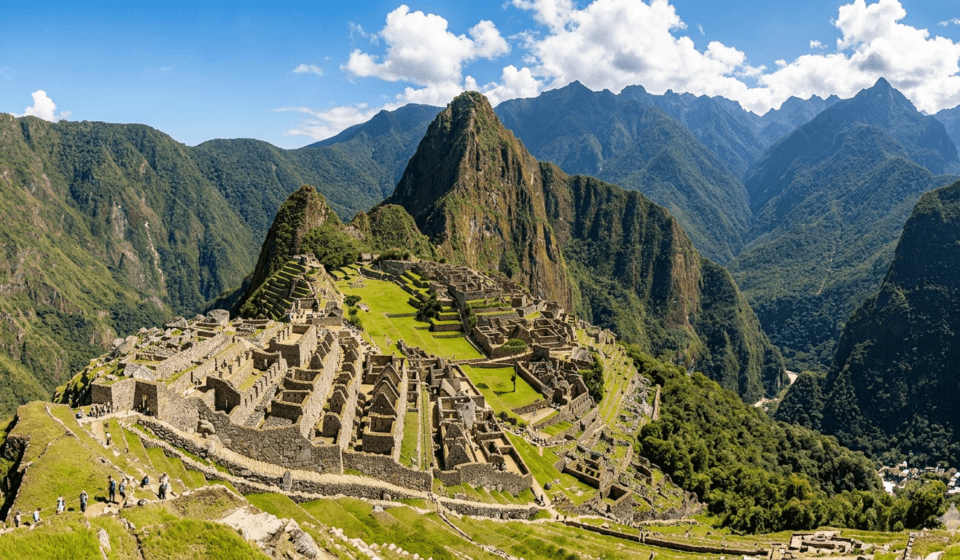
After days of hiking, travelers suddenly see Machu Picchu spread below the mountains.
During the dry season, clearer skies dramatically increase the chances of seeing the citadel in full panoramic beauty.
This moment has become legendary among trekkers because it feels earned.
Unlike visitors arriving by train, hikers experience a gradual emotional buildup that makes the first view unforgettable.
Exploring Machu Picchu Itself
Once inside Machu Picchu, travelers discover an extraordinary combination of:
- engineering
- spirituality
- astronomy
- architecture
- mountain scenery
The site likely served important ceremonial and royal functions during the Inca Empire.
Key highlights include:
- Temple of the Sun
- Intihuatana Stone
- agricultural terraces
- Sacred Plaza
- Temple of the Condor
UNESCO recognizes Machu Picchu as one of the world’s most important archaeological treasures. (unesco.org)
The Dry Season Photography Advantage
Photographers especially benefit from dry season conditions.
The clearer atmosphere improves:
- mountain visibility
- sunrise photography
- landscape detail
- drone-free scenic composition
- stargazing opportunities
Morning fog still occasionally rolls through the valley, creating dramatic cinematic scenes.
But unlike the wet season, visibility often improves quickly.
Responsible Trekking in 2026
Tourism growth brings environmental pressure.
Trekkers should travel responsibly by:
- respecting trail rules
- carrying reusable bottles
- avoiding litter
- supporting local guides
- staying on marked pathways
- respecting archaeological areas
Peru has introduced visitor controls specifically to protect Machu Picchu from over-tourism and erosion. (unesco.org)
Sustainable trekking helps preserve the site for future generations.
Budget Expectations
Costs vary significantly depending on the trekking style.
Budget factors include:
- trek length
- permit availability
- guide services
- camping quality
- train upgrades
- hotel preferences
For 2026, travelers should expect peak dry-season pricing during June through August.
Booking early often helps secure:
- better permits
- preferred departure dates
- lower airfare
- stronger hotel availability
Independent vs Guided Trekking
Most travelers choose guided experiences.
Guided treks offer:
- logistics support
- cooks and porters
- cultural explanations
- emergency coordination
- transportation arrangements
For first-time Peru travelers, guided tours often reduce stress considerably.
Independent trekking is possible on some routes, but regulations remain strict for the Inca Trail itself.
The Train Alternative
Not everyone wants a multi-day trek.
Visitors can also reach Machu Picchu by train from Cusco or the Sacred Valley.
Train travel offers:
- easier accessibility
- comfort
- scenic valley views
- shorter travel times
However, trekkers often describe hiking as a far more emotionally rewarding experience.
The journey becomes part of the story.
Common Mistakes First-Time Trekkers Make
Underestimating Altitude
Altitude affects travelers more than expected.
Overpacking
Heavy backpacks quickly become exhausting.
Ignoring Sun Protection
High-altitude UV exposure is intense.
Booking Too Late
Dry season permits disappear early.
Skipping Acclimatization
Rushing directly into trekking increases illness risk.
Avoiding these mistakes can dramatically improve the trip.
Key Takeaways for 2026 Trekkers
Why the Dry Season Is Best
- Safer trails
- Clearer skies
- Better visibility
- Lower rainfall
- Improved trekking conditions
Best Months
- May to September
- Peak crowds: June to August
Most Popular Routes
- Inca Trail
- Salkantay Trek
- Lares Trek
- Short Inca Trail
Essential Preparation
- Acclimatize in Cusco
- Train physically
- Book permits early
- Pack layers
- Use quality hiking boots
Final Thoughts
Trekking to Machu Picchu during the dry season is not simply a vacation.
It is an experience that combines history, endurance, nature, and personal achievement into one unforgettable journey.
The towering Andes, ancient stone pathways, alpine sunrises, and emotional arrival at Machu Picchu create memories that stay with travelers for life.
For 2026 adventurers, the key to an incredible trek is preparation:
choose the right route, respect the altitude, pack intelligently, and book early.
Do that, and the journey to Machu Picchu may become one of the greatest adventures you ever take.