











































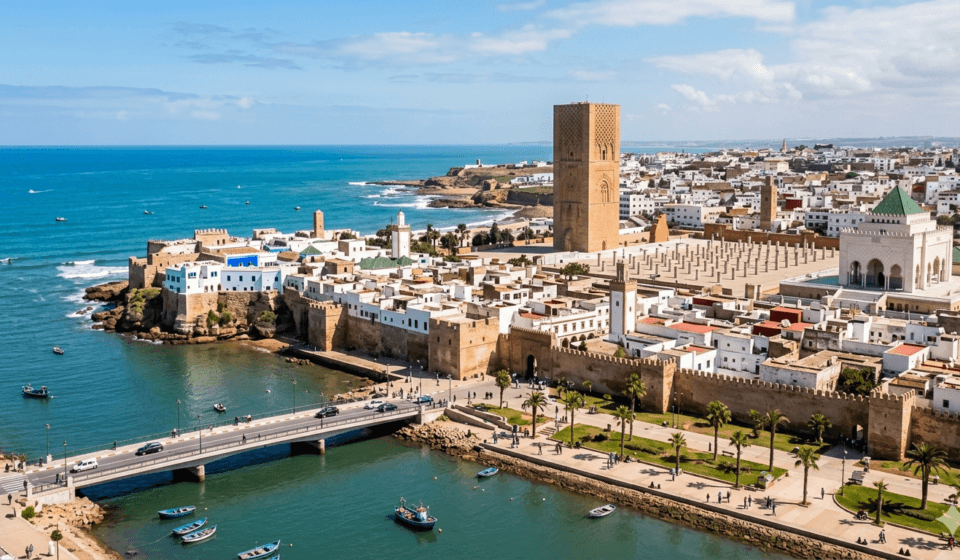

When travelers think about Morocco, the first images that often come to mind are the busy souks of Marrakesh, the blue-painted streets of Chefchaouen, or the endless dunes of the Sahara Desert. Yet quietly sitting along the Atlantic coast is a city that many tourists overlook entirely — Rabat, Morocco’s elegant and understated capital.
Unlike the overwhelming intensity of some of Morocco’s more famous destinations, Rabat offers something different. It is calm without being boring, historic without feeling trapped in the past, and modern while still deeply rooted in Moroccan culture. The city combines ocean views, ancient architecture, charming neighborhoods, and relaxed local life into an experience that feels authentic and surprisingly sophisticated.
For travelers who enjoy discovering places before they become overly commercialized, Rabat is one of North Africa’s hidden treasures. It may not shout for attention, but that is exactly what makes it special.
This guide explores why Rabat deserves far more recognition, what makes it unique, where to go, what to eat, how to experience the city like a local, and why this understated capital could become one of your favorite travel destinations.
Why Rabat Feels Different From Other Moroccan Cities
Many visitors arriving in Morocco begin in cities like Marrakesh or Casablanca. Those places are exciting, energetic, and unforgettable, but they can also feel chaotic and exhausting after a few days.
Rabat moves at a gentler rhythm.
The streets are cleaner and less crowded. The architecture feels balanced between traditional and modern. Palm-lined boulevards sit beside centuries-old walls. Cafés spill onto sidewalks overlooking the ocean. Local life unfolds naturally without constantly trying to attract tourists.
This balance is what makes Rabat so refreshing.
The city is also politically important because it serves as Morocco’s capital, which means it receives significant investment in infrastructure, transportation, parks, and preservation. Yet despite its importance, Rabat still feels intimate compared to larger capitals around the world.
Travelers often describe Rabat as:
- Sophisticated but approachable
- Historical but modern
- Coastal but cultural
- Relaxed but interesting
It is a city that rewards slow travel.
A Brief History of Rabat
Understanding Rabat’s history helps explain its fascinating personality.
Rabat was founded in the 12th century during the Almohad dynasty. Originally designed as a military fortress and strategic settlement, the city gradually evolved into an important cultural and political center.
Over centuries, Rabat absorbed influences from:
- Arab dynasties
- Berber traditions
- Andalusian refugees from Spain
- French colonial architecture
- Modern Moroccan urban planning
This layered history is visible everywhere in the city.
One street may feature traditional riads with intricate tilework, while another showcases wide European-style boulevards lined with elegant white buildings.
Rabat officially became the capital of Morocco in 1912 during the French protectorate period and has remained the political heart of the country ever since.
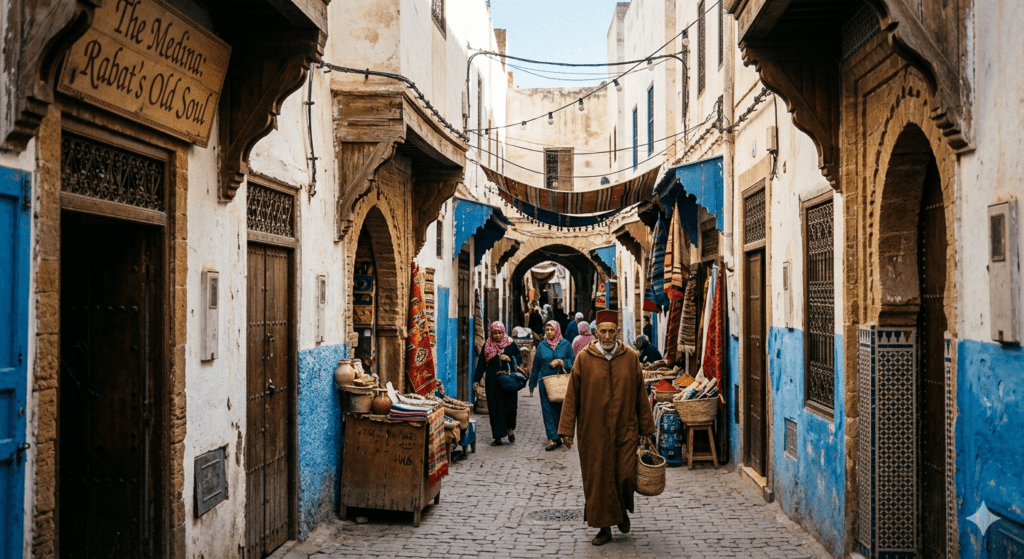
The Medina: Rabat’s Old Soul
Every Moroccan city has a medina, but Rabat’s medina feels distinctly different.
Unlike the maze-like intensity of Fez or Marrakesh, Rabat’s medina is calmer, easier to navigate, and far less aggressive toward tourists. This makes it ideal for travelers who want to experience Moroccan culture without feeling overwhelmed.
Walking through the medina, you will discover:
- Narrow alleyways painted in white and blue
- Handmade carpets
- Leather goods
- Traditional clothing
- Spice shops
- Local bakeries
- Quiet courtyards
The atmosphere feels authentic because many locals still live and work here rather than the area being transformed entirely for tourism.
One of the greatest pleasures in Rabat is simply wandering without a strict plan. You may stumble upon hidden cafés, tiny art galleries, or peaceful corners where daily life unfolds naturally.
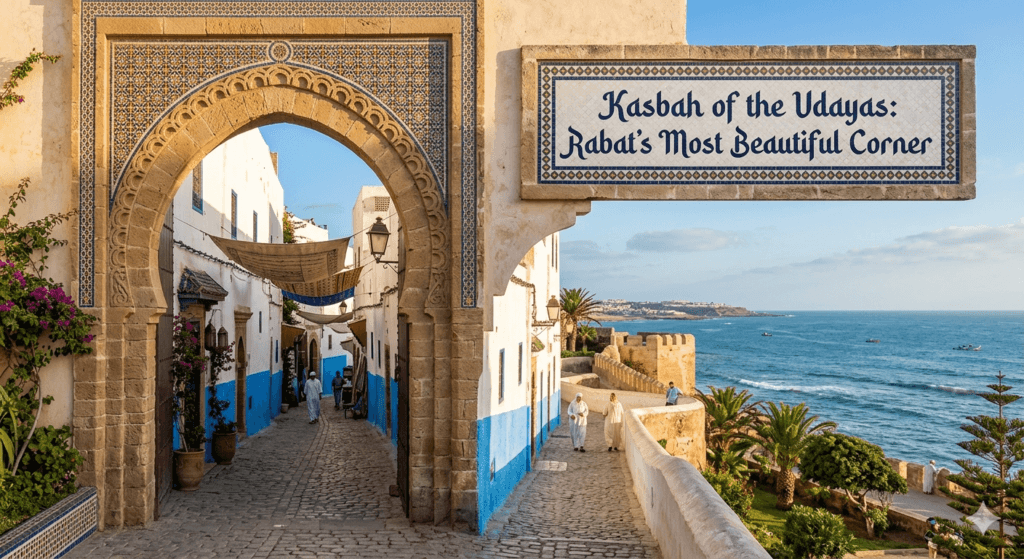
Kasbah of the Udayas: Rabat’s Most Beautiful Corner
If Rabat has a postcard-perfect location, it is undoubtedly the Kasbah of the Udayas.
Perched above the Atlantic Ocean, this historic fortress neighborhood is one of the city’s most enchanting areas. White-and-blue buildings climb narrow streets decorated with flowers and painted doors, giving parts of the kasbah an atmosphere reminiscent of a quieter version of Chefchaouen.
The kasbah offers:
- Incredible ocean views
- Peaceful walking paths
- Andalusian-style gardens
- Historic gates
- Traditional homes
- Quiet cafés overlooking the water
One of the best experiences here is visiting during late afternoon when the golden sunlight reflects off the white walls and the ocean breeze cools the streets.
The Andalusian Gardens inside the kasbah provide a calm escape filled with orange trees, fountains, and shaded pathways. Travelers often spend hours simply relaxing here.
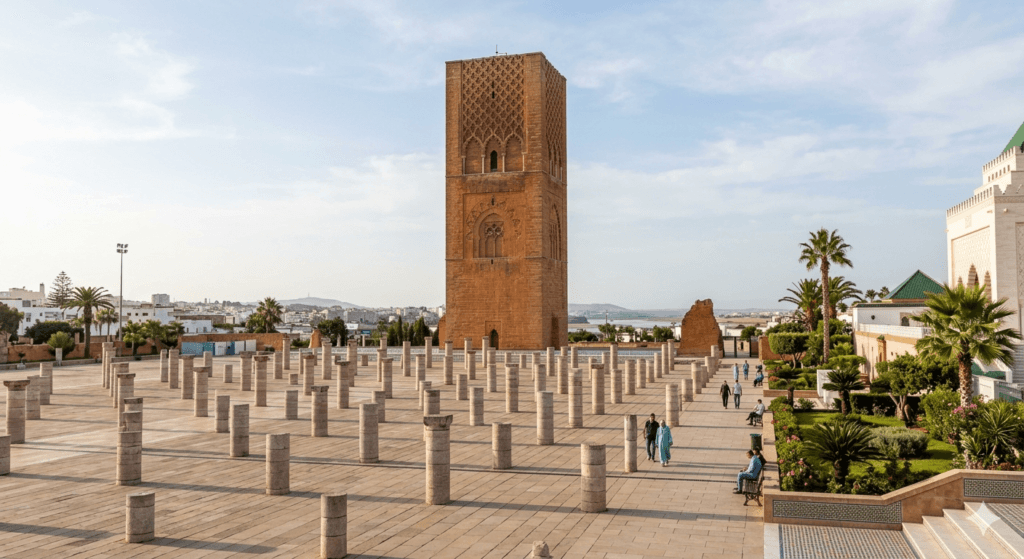
Hassan Tower and the Unfinished Dream
Few landmarks symbolize Rabat better than Hassan Tower.
Built in the 12th century, the tower was intended to become part of the world’s largest mosque. However, construction stopped after the death of Sultan Yacoub al-Mansour, leaving the project unfinished.
Today, the partially completed tower stands beside rows of stone columns that create one of Morocco’s most atmospheric historical sites.
The space feels almost cinematic.
Nearby sits the Mausoleum of Mohammed V, where Morocco’s former king and royal family members are buried. The mausoleum combines traditional Moroccan craftsmanship with elegant modern design.
Visitors are often impressed by:
- Intricate mosaics
- Marble floors
- Carved cedar wood ceilings
- Royal guards in ceremonial dress
- The contrast between ancient ruins and modern architecture
This area perfectly represents Rabat’s blend of past and present.
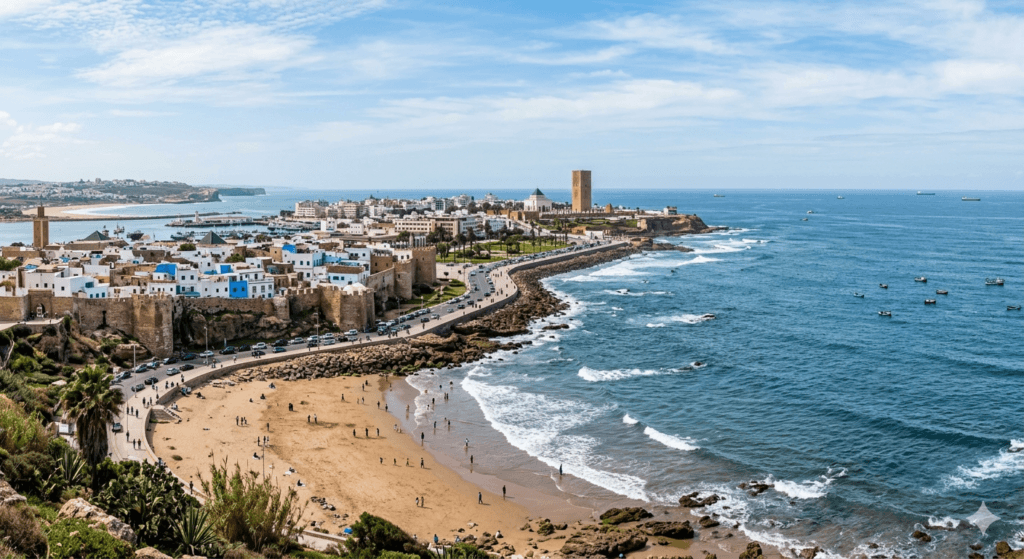
The Atlantic Coast and Rabat’s Relaxed Energy
One reason Rabat feels so livable is its connection to the ocean.
The Atlantic coastline shapes the city’s atmosphere. Cool breezes moderate the heat, while waterfront promenades encourage slow evening walks.
Locals gather near the coast to:
- Watch sunsets
- Drink mint tea
- Surf
- Exercise
- Socialize with friends and family
The Corniche area offers scenic coastal views and a relaxed atmosphere that feels very different from the crowded energy found in many major tourist cities.
Nearby beaches attract surfers due to consistent Atlantic waves. Even travelers who do not surf often enjoy watching locals ride the waves at sunset.
The ocean also influences Rabat’s food culture, especially its seafood dishes.
Rabat’s Food Scene: Traditional Flavors With Modern Style
Moroccan cuisine is famous worldwide, and Rabat delivers exceptional food experiences without some of the inflated tourist pricing found elsewhere.
Traditional dishes include:
- Tagine
- Couscous
- Harira soup
- Pastilla
- Grilled seafood
- Fresh bread with olive oil
- Mint tea
However, Rabat also has a surprisingly modern dining scene.
Young chefs and entrepreneurs are blending traditional Moroccan flavors with contemporary presentation and international influences. Stylish cafés, rooftop restaurants, and creative fusion spots continue appearing throughout the city.
One particularly enjoyable experience is eating at small local restaurants where recipes have been passed down through generations.
Meals in Rabat often feel slower and more social than in Western cities. Dining is about conversation, hospitality, and taking time to enjoy the experience.
Café Culture in Rabat
Rabat has one of the most pleasant café cultures in North Africa.
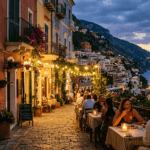
Sidewalk cafés fill the city, especially in neighborhoods like Agdal and the city center. Locals spend hours drinking coffee, discussing politics, reading newspapers, or simply watching the world pass by.
Popular drinks include:
- Moroccan mint tea
- Espresso
- Nos Nos (half coffee, half milk)
- Fresh orange juice
Many travelers fall in love with Rabat’s relaxed pace partly because of these cafés. They encourage slowing down and observing local life rather than rushing through attractions.
Some of the best travel moments in Rabat happen when you are doing almost nothing at all.
Modern Rabat: Art, Design, and Creativity
Although deeply historical, Rabat also has a modern creative side that surprises many visitors.
The city has invested heavily in:
- Art galleries
- Museums
- Public spaces
- Cultural festivals
- Modern tram systems
- Green parks
Street art appears in unexpected corners, while contemporary Moroccan designers are opening stylish boutiques and studios.
The Mohammed VI Museum of Modern and Contemporary Art has helped establish Rabat as one of Morocco’s cultural capitals. It showcases both Moroccan and international artists while reflecting the country’s growing contemporary art movement.
This creative energy gives Rabat a youthful atmosphere despite its long history.
Day Trips From Rabat
Another advantage of Rabat is its location.
The city works perfectly as a base for exploring other parts of Morocco.
Popular nearby destinations include:
Salé
Located directly across the river from Rabat, Salé feels more traditional and less polished. It offers an interesting contrast to Rabat’s elegance and provides a glimpse into everyday Moroccan life.
Casablanca
Morocco’s largest city is only about an hour away by train. Travelers can easily visit the famous Hassan II Mosque and return to Rabat in the evening.
Meknes and Volubilis
History lovers can explore ancient Roman ruins and imperial Moroccan architecture within a manageable day trip distance.
Atlantic Coastal Towns
Smaller beach towns along the Atlantic coast offer surfing, seafood, and relaxed coastal scenery.
The Best Time to Visit Rabat
Rabat enjoys a mild climate compared to many inland Moroccan cities.
The best times to visit are:
- Spring (March to May)
- Autumn (September to November)
During these months:
- Temperatures are comfortable
- Gardens are beautiful
- Walking conditions are ideal
- Crowds remain manageable
Summer can still be pleasant because the Atlantic Ocean helps moderate the heat, although beaches become busier.
Winter is cooler and occasionally rainy but still much milder than many European destinations.
What Makes Rabat Ideal for Slow Travel
Modern tourism often encourages rushing.
Travelers move quickly between landmarks, take photos, and leave before truly experiencing a place. Rabat naturally resists this style of travel.
The city encourages:
- Long walks
- Café conversations
- Quiet observation
- Cultural immersion
- Relaxed exploration
You do not need a packed itinerary to enjoy Rabat.
Some of the city’s greatest pleasures include:
- Watching fishermen by the river
- Listening to the call to prayer echo across the medina
- Sitting beside the ocean at sunset
- Wandering peaceful residential streets
- Browsing bookstores and local markets
Rabat rewards curiosity rather than speed.
Safety and Comfort for Travelers
Many travelers feel particularly comfortable in Rabat compared to larger tourist-heavy destinations.
The city is generally:
- Cleaner
- More organized
- Less chaotic
- Easier to navigate
- More relaxed
Public transportation works efficiently, especially the tram system connecting Rabat and Salé.
Solo travelers, couples, and families often find Rabat approachable because it balances cultural authenticity with modern infrastructure.
As with any destination, standard travel awareness is important, but Rabat is widely considered one of Morocco’s more comfortable cities for international visitors.
Hidden Gems Most Tourists Miss
While famous landmarks deserve attention, some of Rabat’s best experiences are lesser known.
The Chellah Necropolis
This ancient archaeological site combines Roman ruins with medieval Islamic history. Overgrown gardens, storks nesting atop ruins, and peaceful pathways create an almost dreamlike atmosphere.
Rue des Consuls
Historically known for artisan workshops and foreign merchants, this street remains one of the best places to shop for traditional crafts.
Rabat’s Gardens
The city contains many green spaces rarely discussed in travel guides. These parks contribute significantly to Rabat’s calm atmosphere.
Local Hammams
Traditional Moroccan bathhouses provide one of the country’s most authentic wellness experiences.
Why Rabat Is Still Underrated
In many ways, Rabat suffers from being overshadowed by Morocco’s more famous destinations.
Marrakesh dominates Instagram.
Chefchaouen attracts photographers.
The Sahara draws adventure travelers.
Meanwhile, Rabat quietly continues being itself.
But that may actually be its greatest strength.
The city has avoided becoming excessively commercialized. It still feels lived in rather than performed for tourists. Visitors can experience Moroccan culture without constantly being targeted by aggressive sales tactics or overwhelming crowds.
Rabat offers authenticity with comfort — a combination that is increasingly rare in global tourism.
Final Thoughts
Rabat may not be Morocco’s loudest city, but it could easily become your favorite.
Its beauty reveals itself gradually through quiet mornings in cafés, ocean sunsets beside ancient walls, peaceful medina walks, and conversations with locals who are often genuinely curious about visitors.
The city blends:
- History
- Modern culture
- Coastal scenery
- Art
- Food
- Architecture
- Relaxed living
Into an experience that feels balanced and deeply human.
For travelers searching beyond the obvious tourist hotspots, Rabat represents a different kind of adventure — one built not on chaos or spectacle, but on atmosphere, elegance, and discovery.
Sometimes the most unforgettable destinations are not the ones demanding attention.
Sometimes they are the ones quietly waiting to be explored.