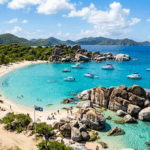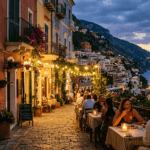

















































There is something about a European summer that feels unreal. Maybe it is the golden sunlight reflecting off old stone streets, the sound of distant church bells echoing through small villages, or the slow rhythm of life that makes every moment feel cinematic. It is the kind of experience that people often believe only exists in movies — long dinners under string lights in Italy, train rides through the French countryside, hidden beaches in Greece, and mornings spent sipping coffee at quiet cafés in Spain.
But the truth is that this kind of European summer is real. You do not need to be a celebrity, travel influencer, or millionaire to experience it. What you need is the right mindset, a flexible plan, and an understanding of how Europeans actually enjoy summer.
This guide will show you how to create the kind of European summer that feels straight out of a film. From choosing destinations and planning transportation to slowing down and embracing the atmosphere, this article covers everything you need to know.
Why European Summers Feel So Cinematic
European summers are different because they are built around lifestyle rather than speed.
In many parts of Europe, especially Southern Europe, summer is not treated as a rushed vacation packed with endless activities. Instead, it is about enjoying the atmosphere. Locals spend hours outside, meals are long and social, and even ordinary moments feel beautiful because people are fully present.
The architecture also plays a huge role. Ancient buildings, narrow alleyways, colorful shutters, seaside cliffs, and centuries-old cafés create scenes that naturally look like movie sets.
Another reason is the timing of sunlight. During summer, many European countries experience long golden evenings. In places like Italy, France, and Croatia, sunset can happen after 9 PM, which creates endless golden-hour lighting.
This combination of scenery, culture, weather, and slower living creates the “film-like” feeling travelers dream about.
The Core Elements of a Cinematic European Summer
To experience this properly, focus on these key elements:
1. Slow Travel
One of the biggest mistakes travelers make is trying to visit too many countries too quickly.
A cinematic European summer is not about collecting passport stamps. It is about staying long enough to feel connected to a place.
Instead of:
- 10 cities in 12 days
Try:
- 3 destinations in 2–3 weeks
This allows you to:
- Discover hidden spots
- Build routines
- Experience local culture
- Avoid exhaustion
- Enjoy spontaneous moments
The slower you travel, the more magical Europe begins to feel.
2. Smaller Towns Over Big Cities
Major cities are amazing, but the real movie-like atmosphere often exists in smaller places.
Instead of only visiting:
- Paris
- Rome
- Barcelona
Add places like:
- Positano
- Annecy
- Cinque Terre
- Hallstatt
- Bruges
- Lake Bled
- Dubrovnik
- San Sebastián
These towns often have:
- Less traffic
- Better scenery
- More relaxed environments
- Authentic charm
- Walkable streets
They feel intimate and memorable in a way huge cities sometimes cannot.
3. Outdoor Living
European summers are lived outside.
People gather in:
- Town squares
- Beach clubs
- Outdoor cafés
- Coastal promenades
- Rooftop restaurants
- Parks
One of the best ways to experience Europe is simply by sitting outdoors and observing life around you.
Do not rush every moment.
Sometimes the best memories come from:
- Watching boats in a harbor
- Eating gelato at midnight
- Listening to street musicians
- Drinking espresso in the morning sun
Best Destinations for a Film-Like European Summer
The Amalfi Coast, Italy
The Amalfi Coast is perhaps the definition of cinematic travel.
Colorful villages cling dramatically to cliffs above the Mediterranean Sea. Lemon trees line narrow streets, vintage scooters pass tiny cafés, and sunsets turn the coastline golden.
Best Experiences
- Taking a boat ride to Capri
- Watching sunset in Positano
- Eating seafood pasta by the sea
- Driving coastal roads
- Exploring Ravello gardens
Travel Tip
Visit in late May or September if possible. July and August can become extremely crowded.
The French Riviera, France
The French Riviera combines luxury with relaxed coastal beauty.
Places like Nice, Èze, Antibes, and Saint-Tropez feel elegant without needing to be extravagant.
What Makes It Special
- Beachfront cafés
- Old pastel-colored towns
- Mediterranean beaches
- Scenic train rides
- Lavender fields nearby
Budget Advice
Stay in Nice instead of Saint-Tropez to save money while still experiencing the Riviera atmosphere.
Greek Islands, Greece
The Greek islands offer some of the most beautiful summer scenery in the world.
White buildings, blue domes, crystal-clear water, and slow island living create an unforgettable experience.
Best Islands for Different Experiences
- Santorini — dramatic views and sunsets
- Paros — relaxed and stylish
- Naxos — authentic and affordable
- Milos — unique beaches
- Crete — culture and food
Important Tip
Do not island-hop too aggressively. Spending 5–7 days on one island is often better than rushing through four.
Southern Spain
Southern Spain feels warm, energetic, and deeply cultural.
Cities like Seville, Málaga, and Granada offer:
- Flamenco music
- Orange-tree-lined streets
- Historic architecture
- Late-night dining culture
- Beautiful plazas
Summer nights in Spain feel alive in a way that is difficult to describe.
Must-Try Experience
Attend a local flamenco performance in a small venue instead of a large tourist show.
Croatia’s Coastline
Croatia has become one of Europe’s most talked-about summer destinations.
It combines:
- Medieval towns
- Island hopping
- Adriatic beaches
- Historic architecture
- Affordable luxury
Top Places
- Dubrovnik
- Hvar
- Split
- Korčula
Why It Feels Cinematic
The mix of ancient stone towns and sparkling blue water creates scenes that look almost unreal.
How to Plan the Perfect European Summer
Step 1: Choose a Theme
Instead of randomly selecting destinations, build your trip around a feeling.
Examples:
- Coastal luxury
- Romantic villages
- Art and culture
- Food-focused travel
- Beach hopping
- Slow countryside living
A theme makes your journey feel more connected and intentional.
Step 2: Travel by Train Whenever Possible
European train travel is one of the most beautiful parts of the experience.
Train stations are often located in city centers, making travel easier and more scenic than flying.
Benefits
- Less stressful
- Scenic routes
- Comfortable seating
- Better views
- More spontaneous travel opportunities
Countries with excellent train systems include:
- Italy
- France
- Switzerland
- Austria
- Spain
Step 3: Pack Light
One suitcase can completely change your experience.
Traveling light means:
- Easier train travel
- Less stress
- Faster movement
- More flexibility
Essentials
- Neutral clothing
- Comfortable walking shoes
- Linen shirts
- Swimsuit
- Portable charger
- Crossbody bag
- Sunglasses
European summer style is usually simple and elegant rather than flashy.
Step 4: Prioritize Atmosphere Over Checklists
You do not need to visit every famous landmark.
Some of the most memorable experiences are:
- Getting lost in old streets
- Discovering hidden cafés
- Watching sunsets
- Meeting locals
- Taking ferry rides
Leave room for unplanned moments.
The Daily Rhythm of a European Summer
Morning
European mornings are calm and slow.
A perfect summer morning might include:
- Espresso at a sidewalk café
- Fresh pastries
- Walking empty streets before crowds arrive
- Visiting markets
This is often the best time for photography and sightseeing because the atmosphere feels peaceful.
Afternoon
Afternoons are slower, especially in Southern Europe.
Many locals:
- Relax indoors
- Take long lunches
- Spend time near water
- Avoid peak heat
Instead of rushing, embrace the slower pace.
Evening
This is when Europe truly comes alive.
Summer evenings often include:
- Outdoor dinners
- Music in town squares
- Sunset walks
- Rooftop drinks
- Long conversations
Dinner in many places begins around 8–10 PM.
The atmosphere after sunset is one of the most magical parts of the experience.
How to Make Your Trip Feel More Luxurious Without Spending a Fortune
Stay Longer in One Place
Weekly apartment rentals are often cheaper than hotels.
They also allow you to:
- Cook local food
- Shop at markets
- Live more like a local
Travel in Shoulder Season
Late May, June, and September are ideal.
Advantages include:
- Lower prices
- Better weather
- Fewer tourists
- Easier reservations
- More authentic atmosphere
Prioritize Experiences Over Hotels
A modest hotel in a beautiful town can feel more memorable than a luxury hotel in a crowded city.
Spend more on:
- Boat tours
- Local restaurants
- Unique experiences
- Scenic transportation
Common Mistakes Travelers Make
Trying to See Too Much
Overplanning ruins spontaneity.
Leave empty time in your schedule.
Visiting Only Famous Places
Hidden towns often become the highlight of a trip.
Some lesser-known gems:
- Puglia, Italy
- Colmar, France
- Kotor, Montenegro
- Rovinj, Croatia
- Cefalù, Sicily
Ignoring Local Culture
Respecting local customs improves your experience dramatically.
Examples:
- Dress appropriately in churches
- Learn simple local phrases
- Understand dining schedules
- Avoid being loud in quiet towns
Budget Breakdown for a European Summer
Budget Traveler
- Hostels and budget hotels
- Trains and buses
- Street food and markets
Estimated:
- €70–120 per day
Mid-Range Traveler
- Boutique hotels
- Occasional fine dining
- Train travel
- Activities and tours
Estimated:
- €150–300 per day
Luxury Traveler
- Luxury coastal hotels
- Private tours
- Premium dining
- Yacht experiences
Estimated:
- €500+ per day
The Emotional Side of European Travel
What makes Europe memorable is not just the scenery.
It is the feeling.
You remember:
- The smell of fresh bread in the morning
- Music echoing through old streets
- Warm evenings near the sea
- Conversations with strangers
- Long train rides through countryside landscapes
A great European summer changes your relationship with time. It reminds you that life does not always need to move quickly.
That is why so many people return home feeling inspired, calmer, and more present.
A Sample 14-Day Cinematic European Summer Itinerary
Days 1–4: Nice, France
- Explore the Riviera
- Day trip to Èze
- Beach afternoons
- Sunset dinners
Days 5–8: Cinque Terre, Italy
- Coastal hikes
- Boat rides
- Seafood dinners
- Swimming in the Mediterranean
Days 9–11: Florence, Italy
- Art museums
- Tuscan cafés
- Evening walks
- Wine bars
Days 12–14: Amalfi Coast
- Positano sunsets
- Capri boat trip
- Relaxation by the sea
This itinerary balances culture, scenery, relaxation, and cinematic atmosphere.
Key Takeaways
1. Slow Down
The magic of Europe comes from slowing your pace.
2. Focus on Atmosphere
Do not treat travel like a checklist.
3. Smaller Towns Matter
Some of the most unforgettable experiences happen outside major capitals.
4. Summer Evenings Are Everything
Plan your days around enjoying evenings outdoors.
5. Train Travel Enhances the Experience
The journey itself becomes part of the adventure.
6. Simplicity Creates Luxury
Simple meals, beautiful scenery, and meaningful moments often feel more luxurious than expensive activities.
Final Thoughts
The kind of European summer you see in films is not an illusion. It exists in quiet coastal villages, candlelit dinners, train rides through countryside landscapes, and warm evenings spent walking beside the sea.
It is less about spending huge amounts of money and more about embracing a different rhythm of life.
When you stop trying to rush through destinations and begin appreciating ordinary moments, Europe starts to feel cinematic naturally.
The best European summers are not built around perfect schedules. They are built around freedom, atmosphere, connection, and presence.
And once you experience that feeling for yourself, you begin to understand why people spend years dreaming about returning.